Bike Maintenance Guide & Checklist
The know-how that keeps a bike running without a shop visit — no dealership-speak, just what actually works.
Why This Pillar
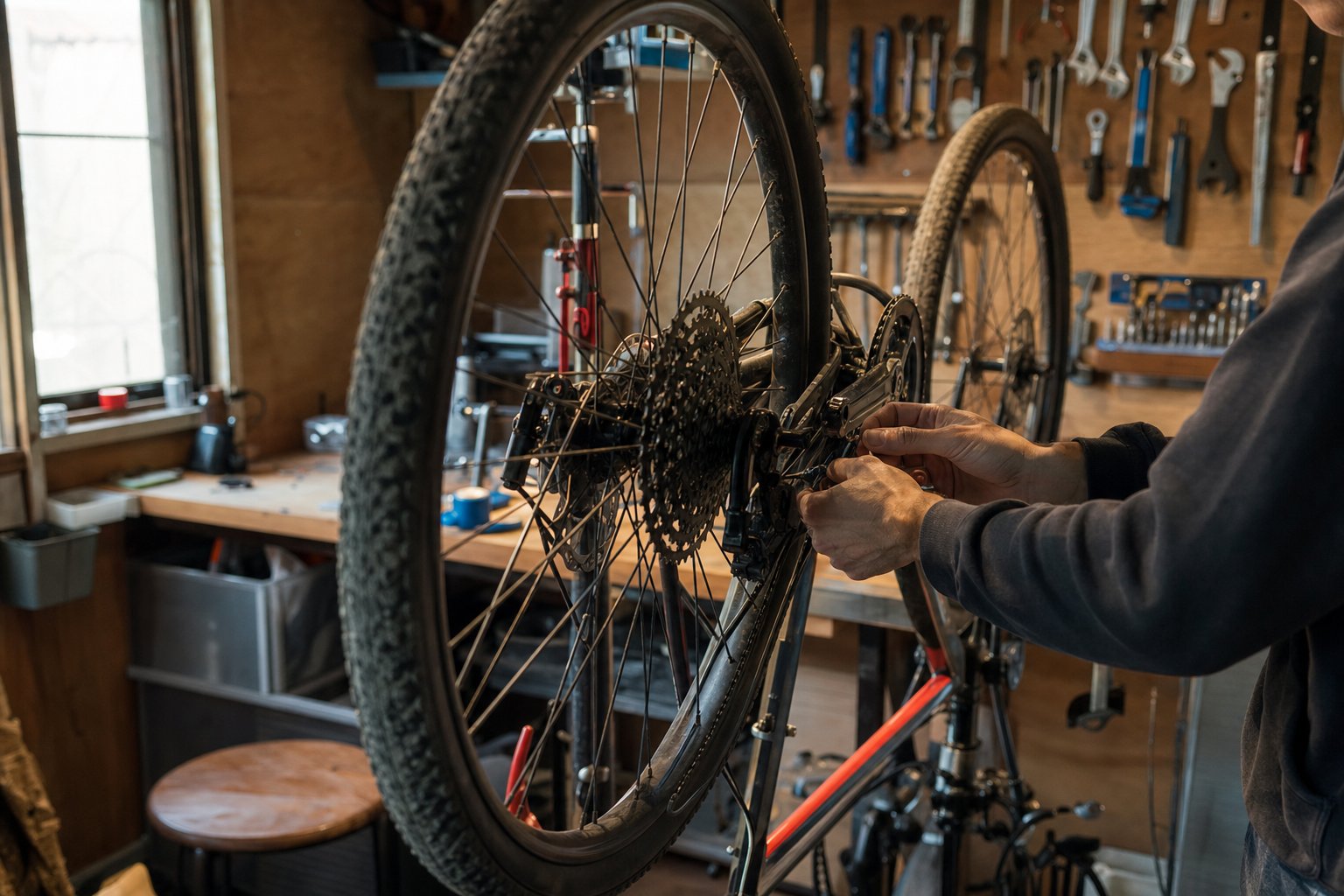
Most bike problems are a five-minute fix once you've seen it done properly once. This bike maintenance guide isn't trying to turn you into a mechanic — just close the gap between "I should really learn this" and actually knowing it.
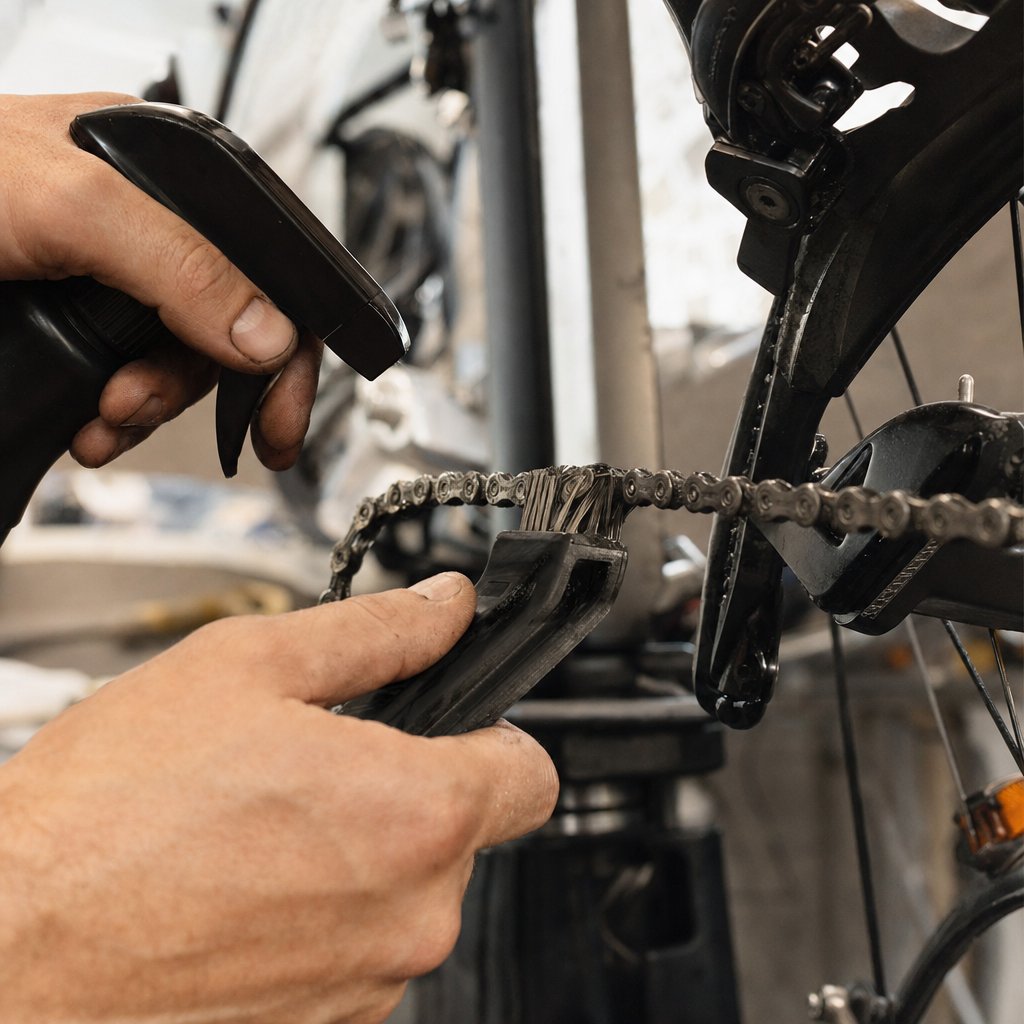
How to Clean a Bike Chain
The five-minute habit that saves your drivetrain — done properly, start to finish.
Read the guideEverything else that breaks first.
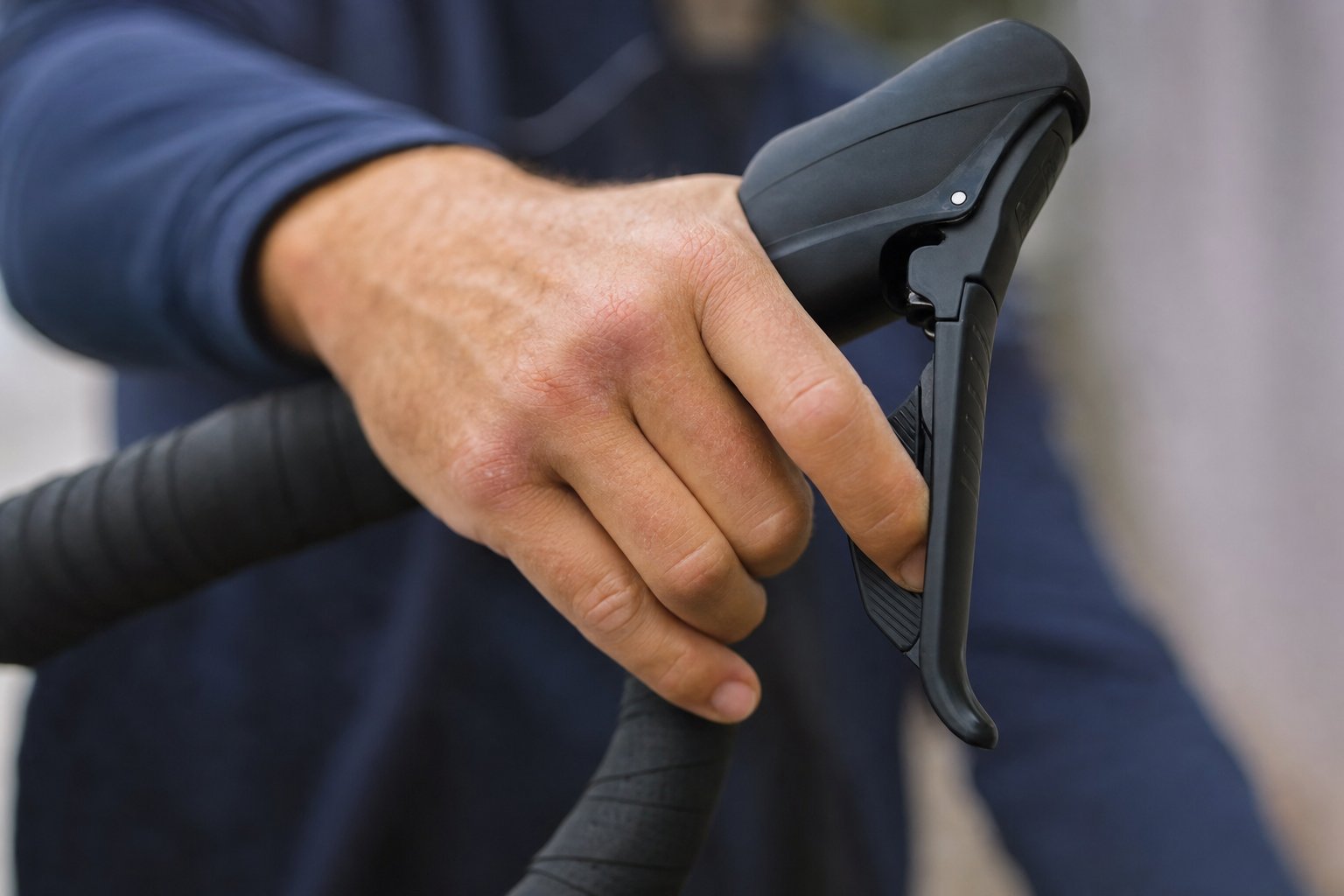
How to Tighten Bike Brakes (When the Lever Feels Loose)
A barrel adjuster fixes most loose-feeling brakes in under a minute — but only if your brakes actually have a cable to tighten.
Read the guide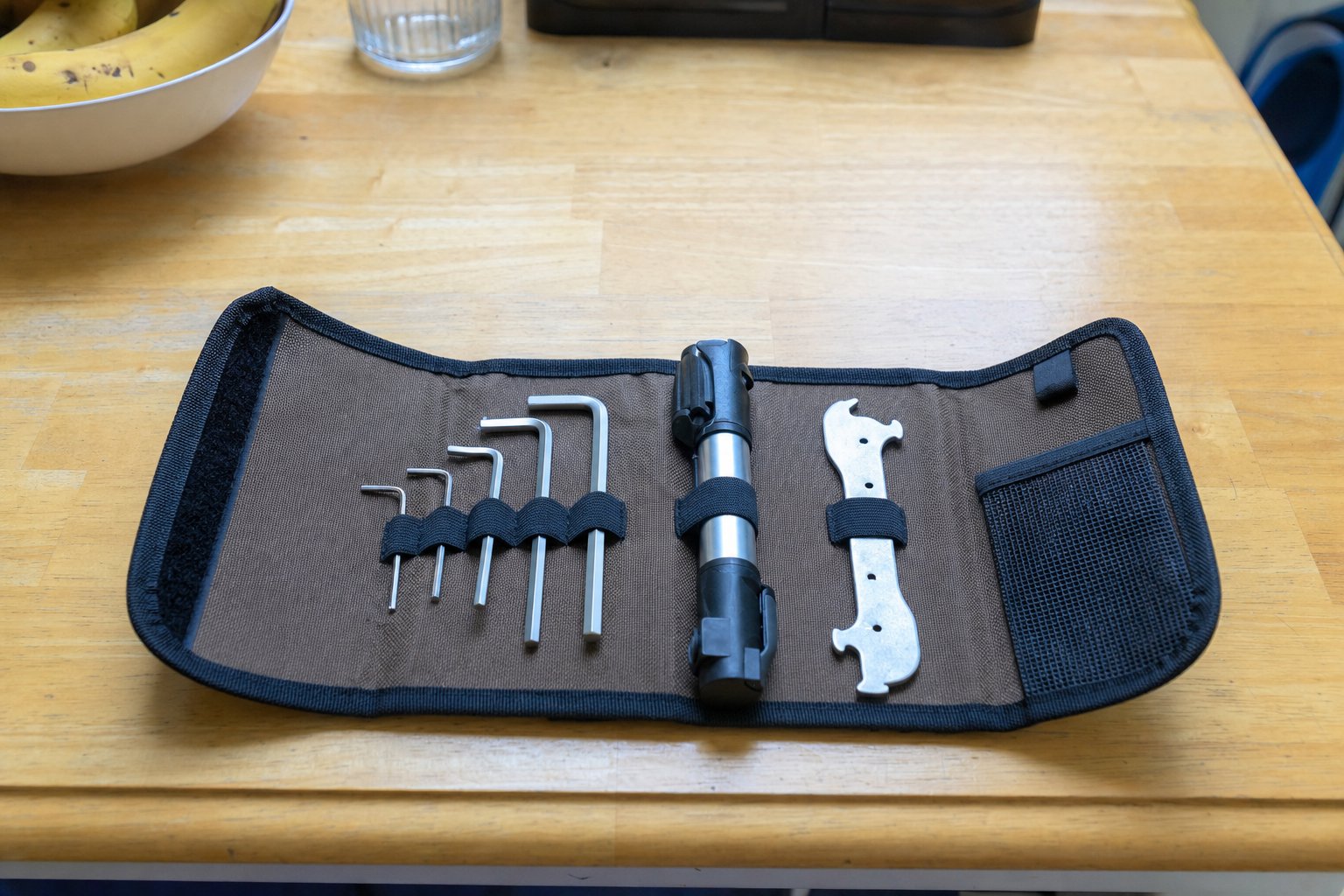
Bike Maintenance Basics: What's Actually Worth Learning First
Not everything, not nothing — a real order for what to learn before you need a shop for anything routine.
Read the guide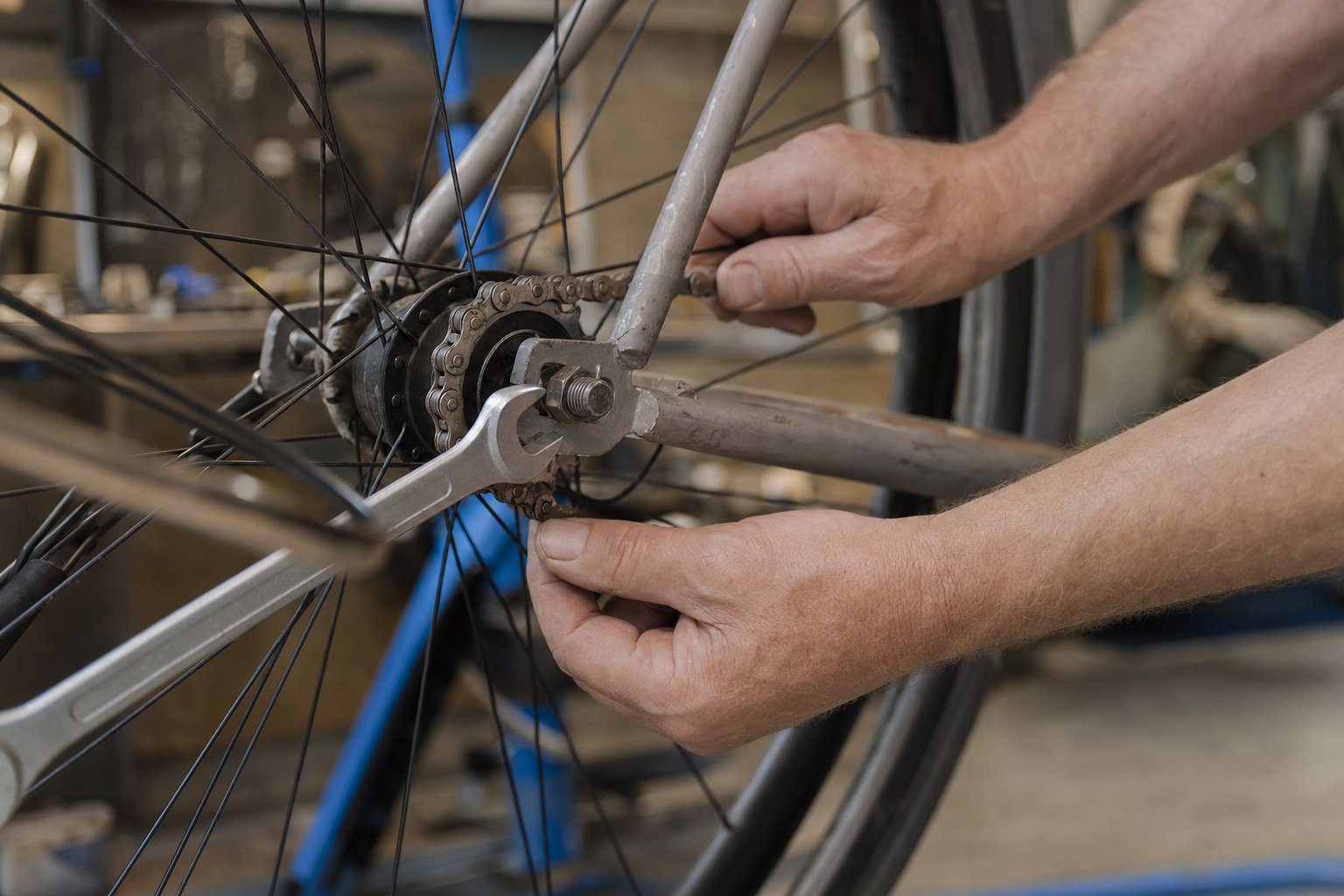
How to Tighten a Loose Bike Chain (and When You Actually Can't)
The fix depends entirely on what kind of bike you're riding — and on a derailleur bike, 'tightening' usually isn't the real problem.
Read the guide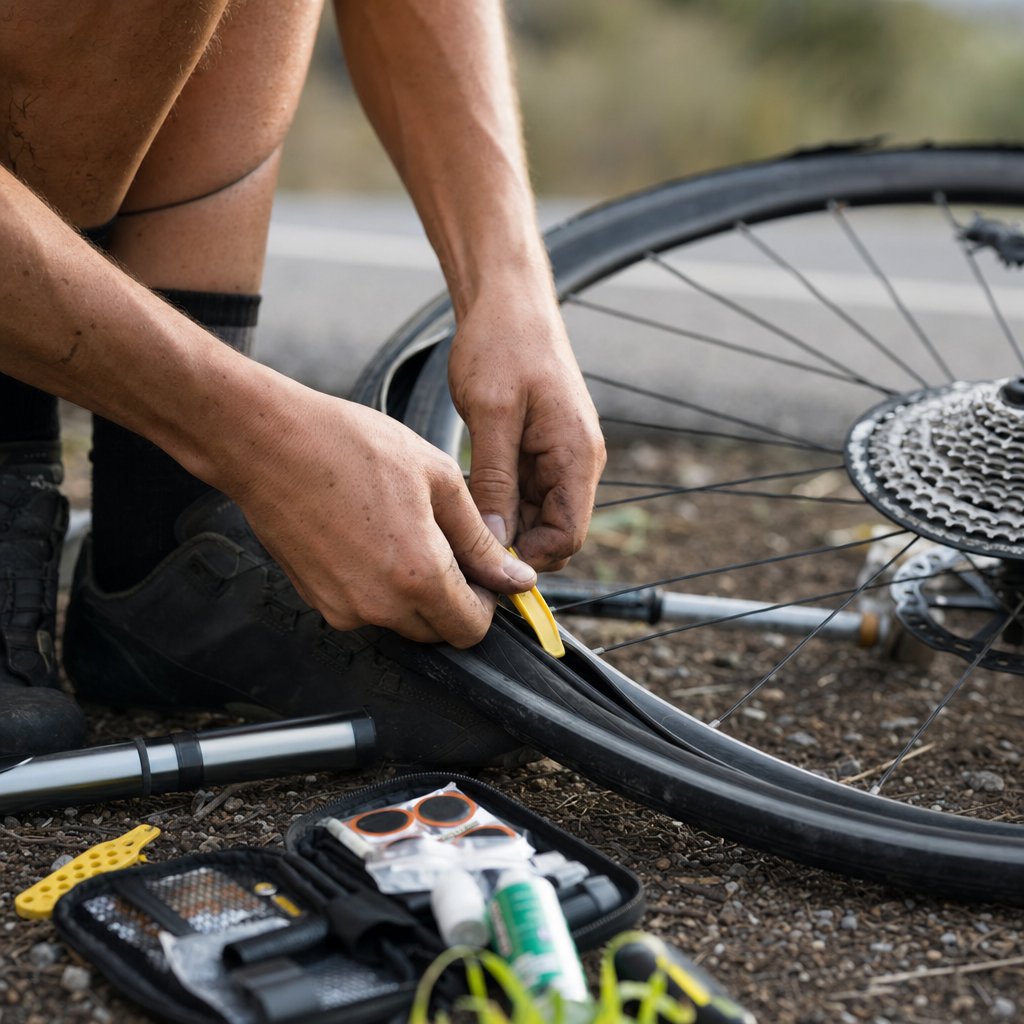
How to Fix a Flat Bike Tire: Step-by-Step
The whole job, roadside-realistic — not the shop-stand version.
Read the guide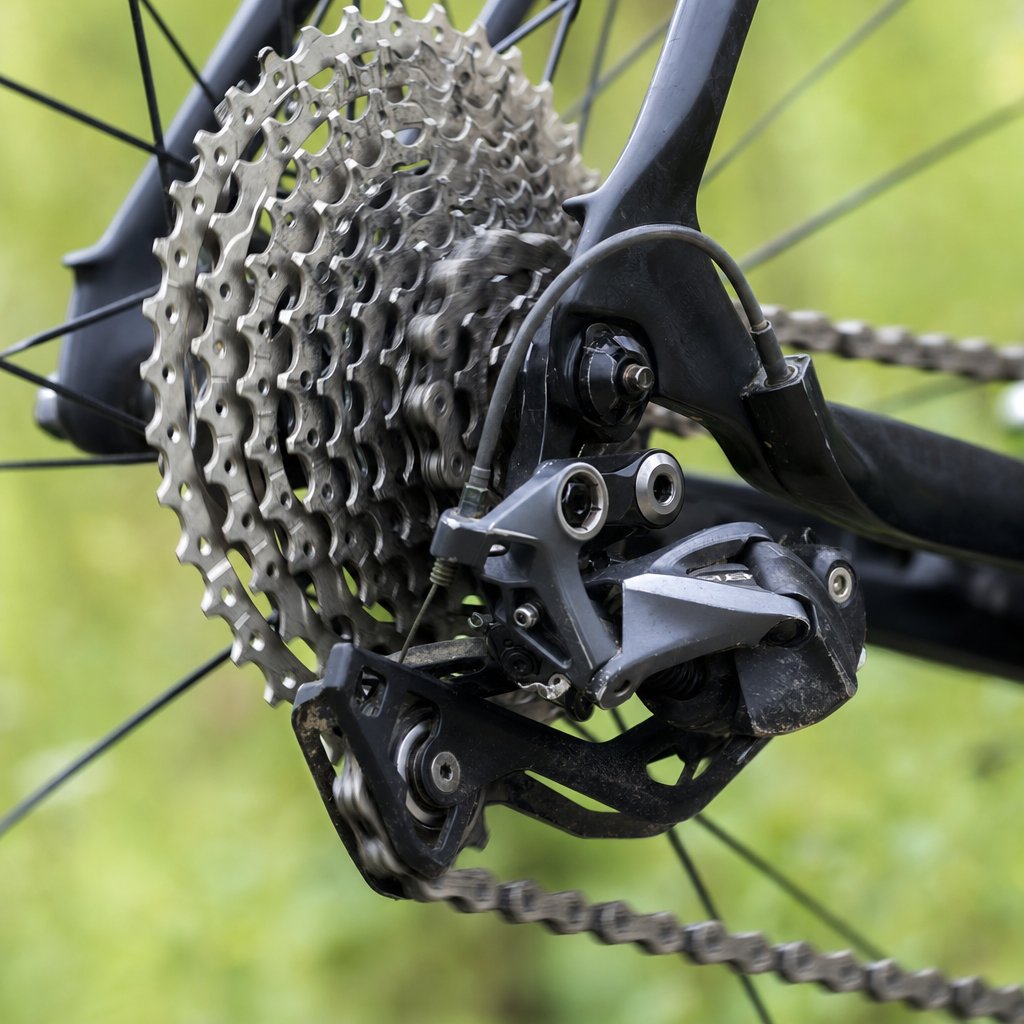
How Do Bike Gears Work? A Simple Explanation
What's actually happening when you shift — and why it sometimes doesn't.
Read the guide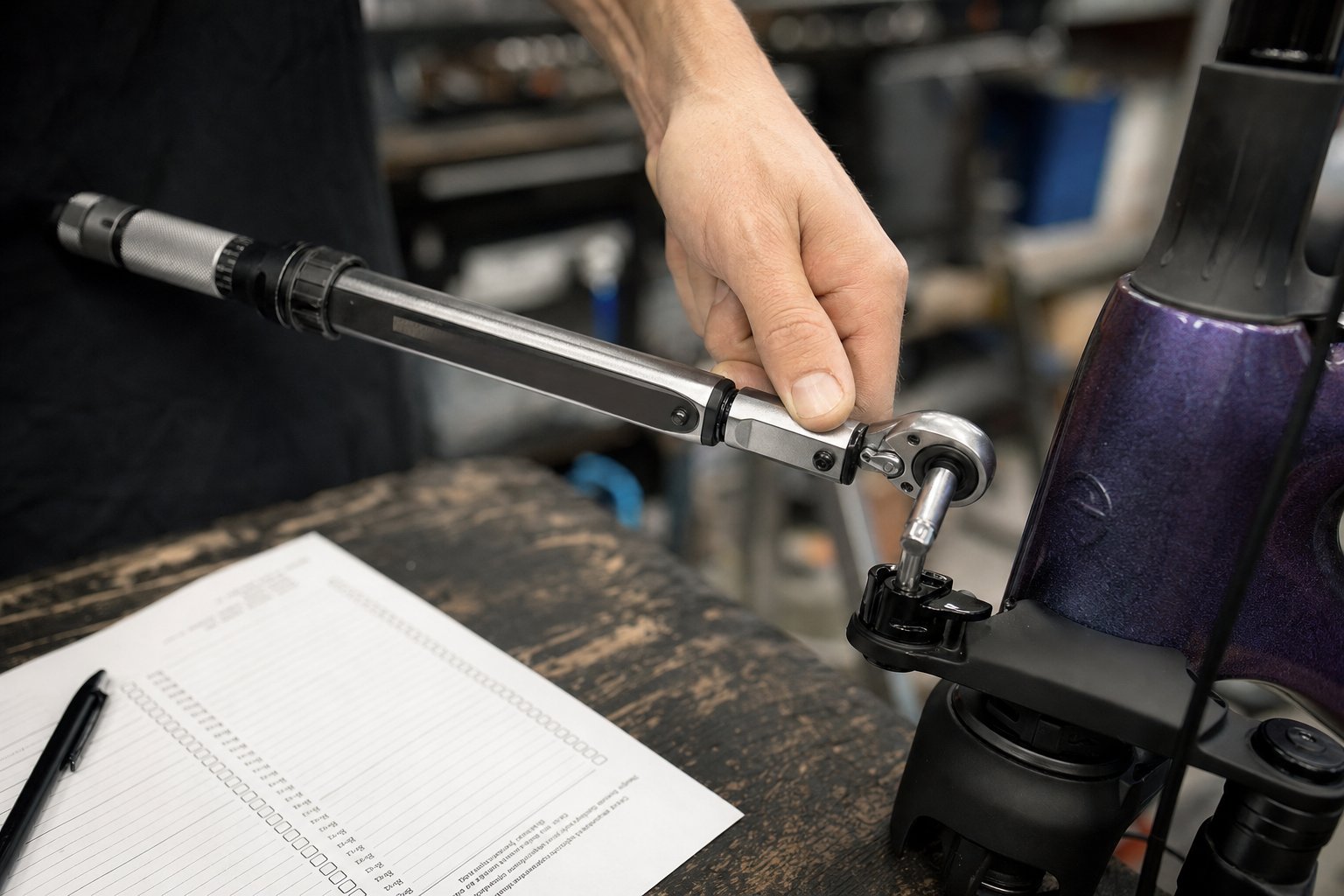
Bike Tune-Up Guide: What It Costs and What It Includes
What a shop tune-up actually covers, so you know what you're paying for — or doing yourself.
Read the guide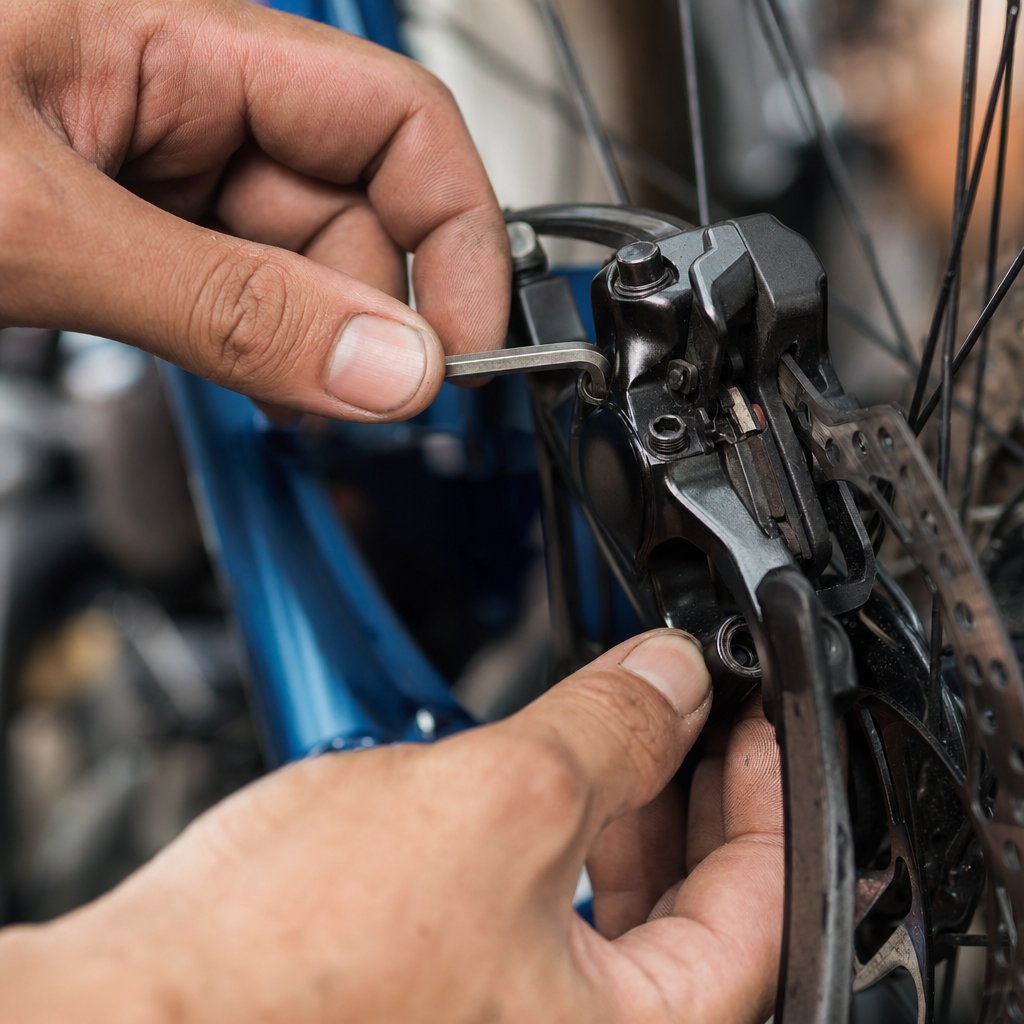
How to Adjust Bike Brakes: A Step-by-Step Guide
Spongy, rubbing or squealing — the three fixes that cover almost every case.
Read the guideA Bike Maintenance Guide & Checklist: What Breaks First, and Why
This bike maintenance guide doubles as a checklist for the order things actually go wrong in, starting with why bikes fail in a predictable order, not a random one. A dry, gritty chain wears fast, and a worn chain quietly wears the cassette and chainrings along with it — the classic case of a two-pound part destroying a two-hundred-pound drivetrain if it's left long enough. Cables stretch and housing compresses over months of normal use, which is why shifting that felt fine in spring goes vague by autumn without anything actually breaking. None of this is a design flaw; it's just what happens to moving metal parts under load, and it's exactly why the fixes on this page are so short.
The real cost of skipping the five-minute checks isn't the checks themselves — it's that small, cheap problems get expensive once they're ignored. A chain that should've been replaced for the price of a coffee instead takes the cassette with it. A brake that needed a two-minute realignment instead needs a bleed. Catching things early is less about mechanical skill and more about knowing what to listen and look for, which is what the guides below are for. Keep coming back to this bike maintenance checklist whenever something feels off — it's ordered by how often each failure actually happens, not by shop upsell logic, and that's the whole point of bike maintenance: catching the two-dollar problem before it becomes a two-hundred-dollar one.
Building the Habit, Not Just the Skill
Knowing how to true a wheel or bleed a brake isn't the part most riders actually struggle with — sticking to a routine that catches problems before they need that fix is. Run through this bike maintenance checklist once a month: spin the wheels and listen, squeeze the brakes, wiggle the cranks and headset for play. It takes less time than most rides themselves, and it's the thing that turns "I know how to do this" into a bike that actually stays reliable.
The habit matters more than the toolkit. A rider who checks their bike over regularly with basic tools will catch far more real problems than one with a full workbench who only opens it when something's already gone wrong. Start with the checks that take under a minute each — chain, brakes, tire pressure — and let the deeper skills on this page get added in as something actually needs them, rather than trying to learn everything at once before you've ridden enough to know which parts of your own bike wear fastest.
When a Shop Visit Is Still the Right Call
Not everything on this page is meant to replace a shop entirely. Wheel building, hydraulic brake bleeds on a system you've never opened before, and anything involving a press-fit bottom bracket or headset reward the right tools and enough repetitions to be worth doing at home — a shop's specialized tools and practiced hands often make more sense for these until you've watched or done them a few times.
The split that actually makes sense: handle the frequent, low-risk jobs yourself — cleaning, lubing, basic brake and gear adjustment, tire changes — and let a shop handle the occasional, higher-consequence ones. That's not a compromise; it's the same division most experienced home mechanics settle into once they've learned which jobs are actually worth their own time versus which ones a professional will simply do faster and more reliably.
A couple of things people ask
How often should I actually service my bike?
For a bike ridden a few times a week, a quick check every month and a fuller look once a year — chain wear, brake pads, cable tension — catches most problems while they're still a five-minute fix. Wet winters and unpaved riding shorten that interval; a bike kept clean and dry indoors stretches it.
Do I need a full toolkit to get started?
No. A set of Allen keys, a chain checker and a basic multi-tool covers everything on this page. A torque wrench is worth adding once you're working on a carbon frame or bar, where over-tightening a bolt can crack the material rather than just strip it.
Is it worth learning maintenance on a bike I won't keep long?
Yes — a well-maintained drivetrain and true wheels are obvious on a test ride and matter to whoever buys it next, and the habits (checking chain wear, listening for drag) carry straight over to your next bike regardless.
What's the one maintenance skill worth learning before any other?
Cleaning and lubing a chain properly. It's the most common point of neglect, and a dry or gritty chain accelerates wear on the cassette and chainrings too — so getting this one habit right prevents a chunk of the other problems on this page before they start.