"Tune-up" gets used as a catch-all term for anything from a ten-minute check-over to a full strip-and-rebuild, which is exactly why the quote you get can vary so much between shops. Knowing the actual tiers makes it much easier to ask for — and pay for — the right one.
The basic tier
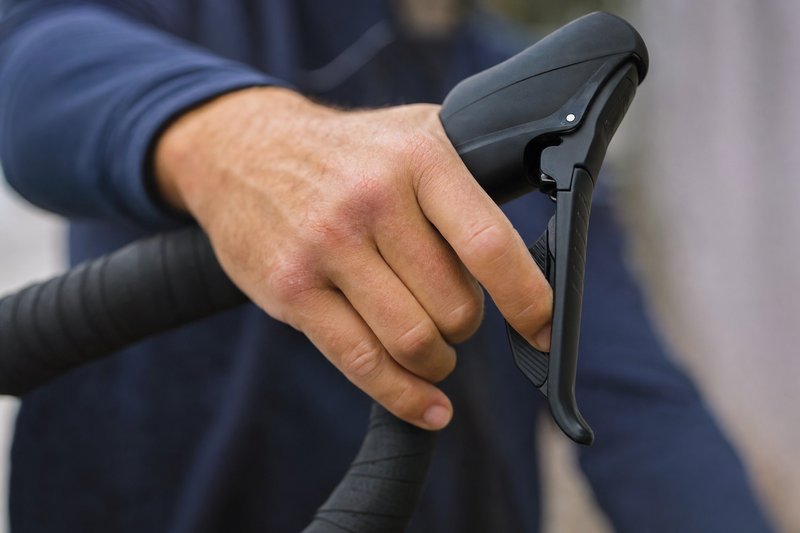
A basic tune-up is mostly a safety and adjustment pass: brake and gear adjustment, a quick lubrication, tire pressure and a general check-over for anything obviously wrong. It doesn't typically include deep cleaning or replacing worn parts — it's the right call for a bike that's already in reasonable shape and just needs dialing in.

The full tune-up tier
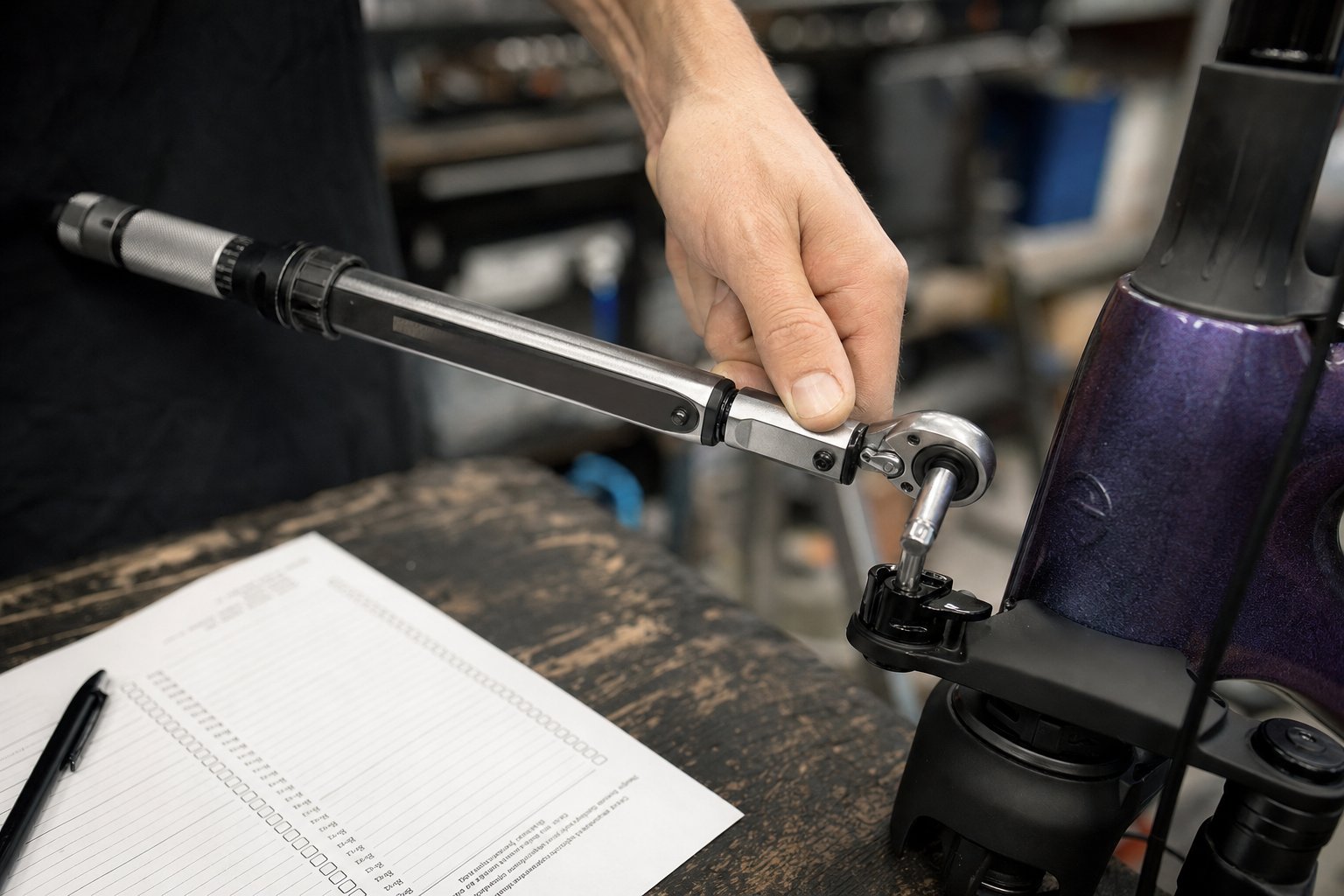
A full or "standard" tune-up goes deeper: proper drivetrain cleaning and lubrication, wheel truing, a bearing check on the headset and bottom bracket, and more thorough brake and gear adjustment than the basic pass. This is the tier most bikes actually need after a season of real use.
Parts are almost always quoted separately from labor — ask what's included in the number you're given, not just the total.
Full overhaul: when a tune-up isn't enough
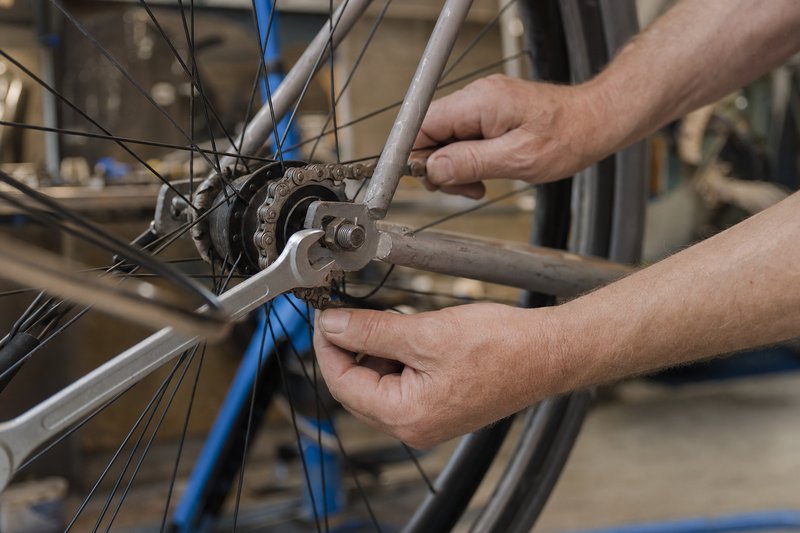
An overhaul strips components down further — bearings get repacked or replaced rather than just checked, cables and housing are often replaced as a matter of course, and worn consumables (chain, cassette, brake pads) get swapped rather than adjusted around. This is the right tier after long-term neglect or before a big trip, not a routine service.
On price: shop tune-ups commonly range from roughly $90-130 for a basic service up to $280-450+ for a full overhaul, with real variation by region and shop — expect to pay noticeably more in a major city than a small town. Parts needed beyond the service itself (a worn chain, cables, brake pads) are typically quoted on top of that. Always ask for a breakdown before booking, since "tune-up" alone doesn't tell you which tier you're getting.
How often you actually need one
There's no single correct calendar interval, because the honest answer depends on mileage and conditions rather than the date on the last invoice. A daily commuter riding through wet winters is putting more wear into a drivetrain in three months than a fair-weather weekend rider sees in a year, and it shows up as the same symptoms regardless of how much time has technically passed: a chain that's stretched past spec, cables that have gone slightly gritty, a bottom bracket that's picked up play. Riding frequency and conditions matter more than the number of months since the last service.
The more reliable signal is what the bike is actually telling you. Gear shifts that used to be crisp and now hesitate or skip, brakes that need a firmer pull than they used to, or a chain that audibly grinds instead of running quiet are all cues that a tune-up is due regardless of when the last one happened. Waiting for a hard failure — a snapped cable, a chain that skips under load on a climb — almost always costs more than catching the same wear a few weeks earlier would have.
A couple of things people ask
How do I know which tier my bike actually needs?
If shifting and braking feel roughly right and nothing's obviously worn, a basic tune-up is probably enough. If it's been more than a year of regular riding since the last real service, ask the shop to inspect first and quote the appropriate tier rather than booking blind.
Is it worth learning to do a basic tune-up myself?
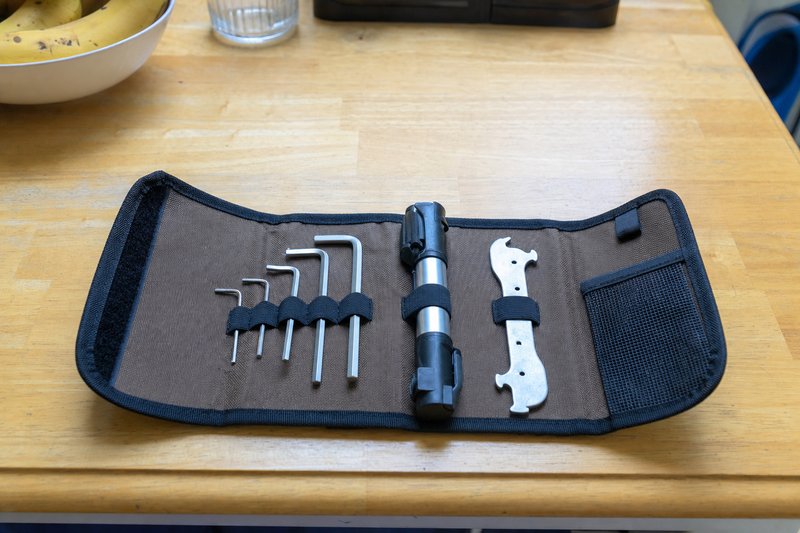
The adjustment side (brakes, gears, lubrication) is genuinely learnable with a few basic tools — see our chain-cleaning and brake-adjustment guides for two of the most common jobs. Wheel truing and bearing work have a steeper learning curve and are where a shop visit usually pays for itself.
Does a basic tune-up include truing the wheels?
Usually not — wheel truing is typically bundled into the full tune-up tier or quoted separately, since it requires a truing stand and more time than a basic adjustment pass allows. If a wheel has a noticeable wobble, mention it specifically when booking rather than assuming it's covered.
Should I get a tune-up before a big ride or trip, or right after?
Before, and with enough lead time to fix anything the inspection turns up — a week or two ahead is safer than the day before departure, since a shop finding a worn cassette or cracked rim the morning of a trip leaves no room to source parts or reschedule.