Gravel Cycling Guide for Beginners
The space between road and trail — technique and culture, not another buying guide.
Gravel isn't a bike category to us, it's a way of riding — where the pavement runs out and the interesting part starts. Consider this a gravel cycling for beginners primer: what changes about how you ride, not just what you ride.
A Gravel Cycling Guide for Beginners: What Changes Off Pavement
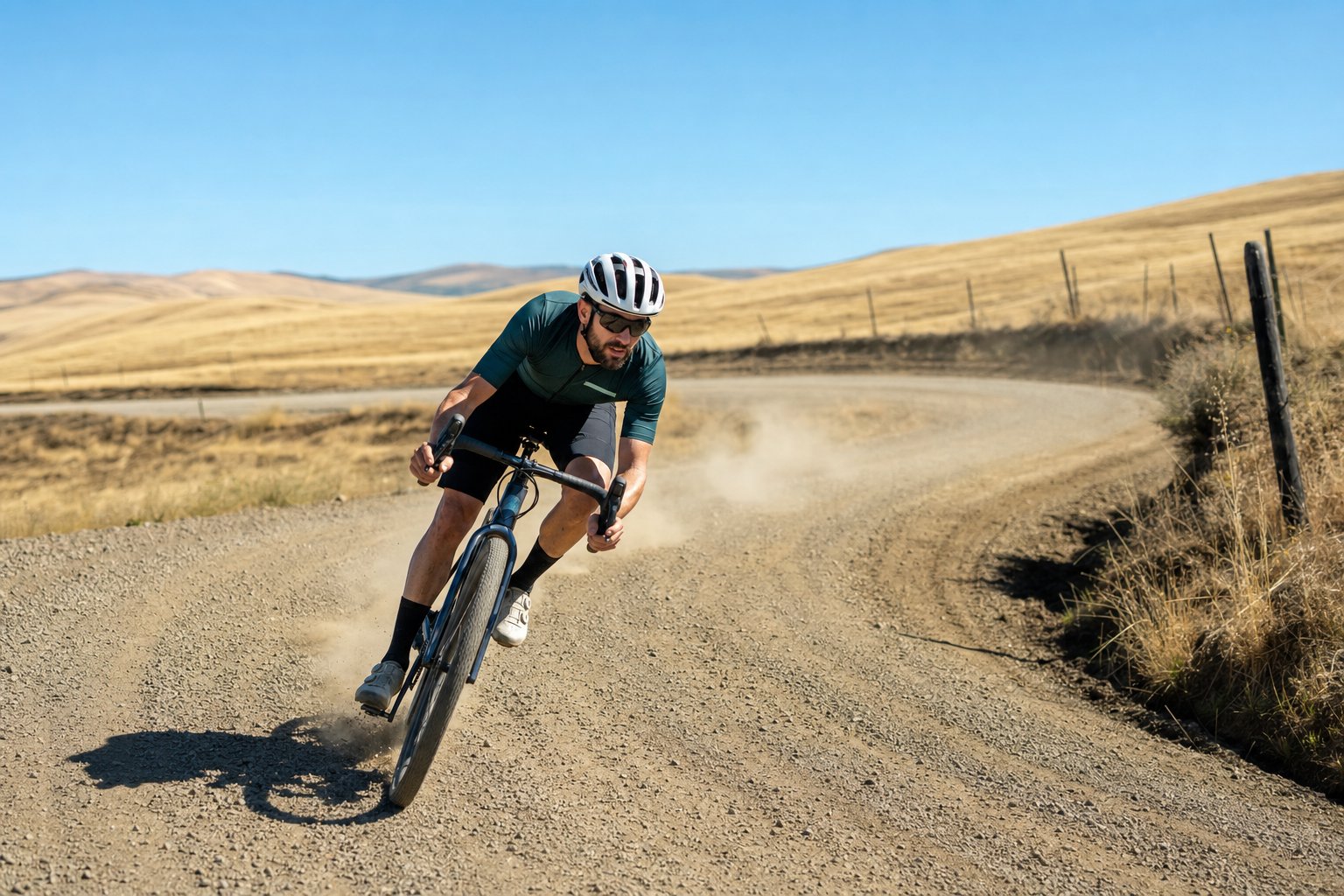
This gravel cycling guide for beginners covers what actually changes once the pavement runs out, starting with line choice — it does more work on gravel than it does on the road. A road only really offers one line through a corner; a gravel road usually offers three or four, and picking the wrong one is the difference between a clean exit and losing the front wheel in the loose stuff at the edge.
Group riding changes too. Drafting still matters, but sightlines are shorter and surfaces change without warning, so the tight, closely-spaced pacelines that work on tarmac get looser and more spread out once the pavement runs out — mostly for safety, not because gravel riders draft less efficiently.
None of this is about riding more aggressively. It's about paying attention to different things: reading surface changes a few seconds further ahead, trusting the front tire on loose corners instead of scrubbing speed early, and getting comfortable with a bike that moves around more underneath you than a road bike ever will.
Climbing changes character too. Gravel climbs are often looser and steeper in short, punchy sections rather than the sustained, evenly-graded climbs typical of paved mountain roads, which rewards a wider gear range and a steadier, seated cadence over standing out of the saddle and mashing a big gear — a technique that mostly just breaks traction on loose surfaces. That's the short version this gravel cycling guide sticks to throughout: read further ahead, trust the front tire, and treat every one of these as a starting point, not a rulebook — the same practical spirit behind gravel cycling as a discipline in the first place.
Reading a Route Before You Ride It
Planning a gravel route is a different exercise from planning a road ride. The same stretch of road on a map can be smooth, fast hardpack or loose, rutted gravel depending on the season, recent weather and who last graded it — a road classification on a map tells you almost nothing about which one you'll actually get. Satellite imagery and other riders' recent ride reports are far more reliable than the map itself, since gravel surfaces genuinely change year to year in a way paved roads mostly don't.
A bailout point matters more here too. A road ride gone wrong can usually be abandoned by turning around and rolling home on the same smooth surface you rode out on. A gravel route that turns bad five miles in — a washed-out section, a locked gate that wasn't on the map, daylight running out faster than expected — doesn't always offer an easy way back, which is exactly why the routes worth trusting are the ones with a real, rideable exit built into the plan, not just an appealing line on a map.
What Gravel Actually Asks of a Bike's Setup
Tire choice and pressure matter more on gravel than almost any other single setup decision, because the right width and pressure for a given surface changes whether the bike skips over rough ground or tracks through it cleanly. Tubeless setups have become close to standard on gravel specifically because they tolerate the lower pressures loose terrain rewards without the pinch-flat risk a tubed tire runs at that same pressure — running a tubed setup at gravel-appropriate pressures is one of the most common ways a first gravel ride ends early.
Gearing matters in a way it rarely does on the road. A wider range than a typical road bike carries makes short, loose climbing sections manageable at a steady seated cadence, instead of forcing a rider to stand and mash a gear that was fine on tarmac — a technique that mostly just breaks traction the moment the surface loosens underneath it. None of this is about buying a more expensive bike; it's the exact kind of practical detail this gravel cycling for beginners guide exists to cover, understanding which two or three setup choices actually change how the ride feels once the pavement runs out.
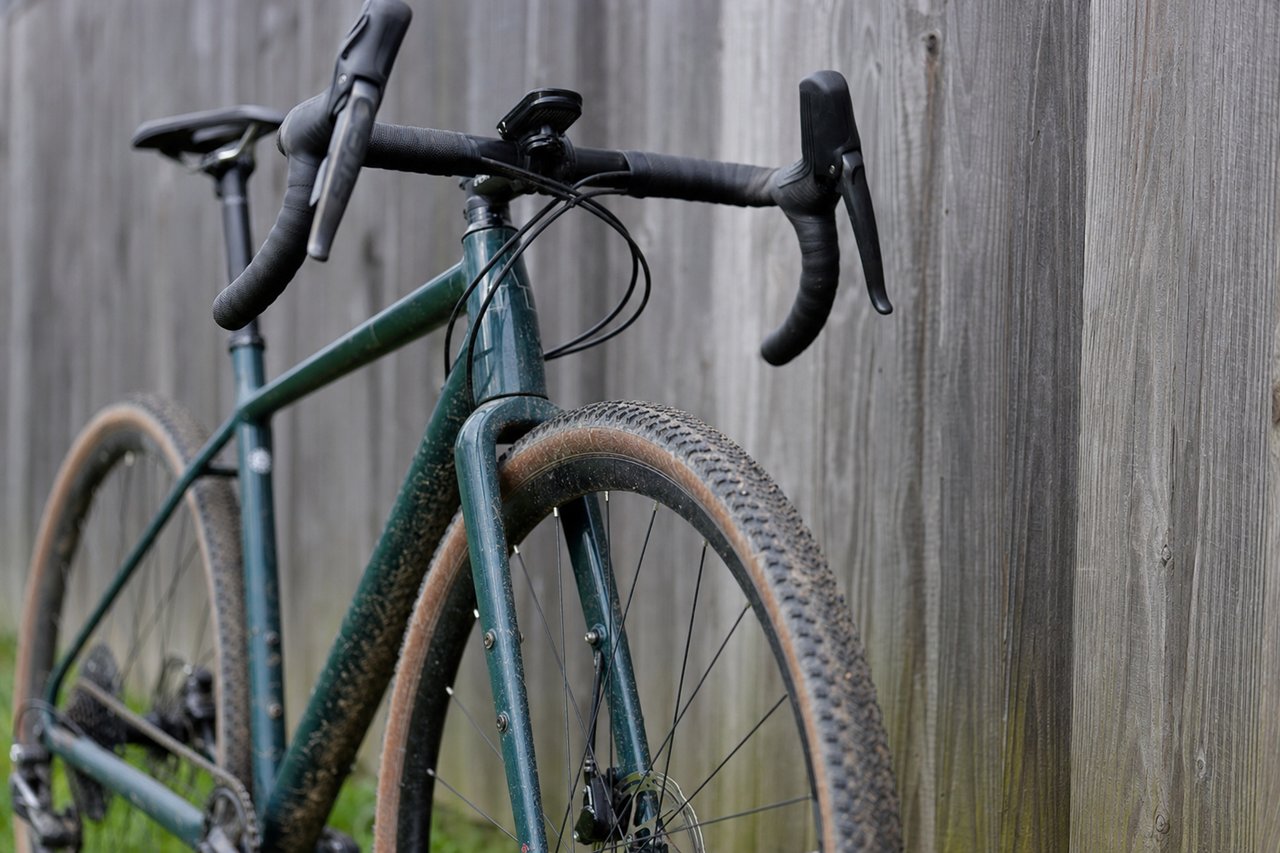
What Is a Gravel Bike? Explained
Not a road bike, not a mountain bike — what actually defines the category, in plain terms.
Read the guide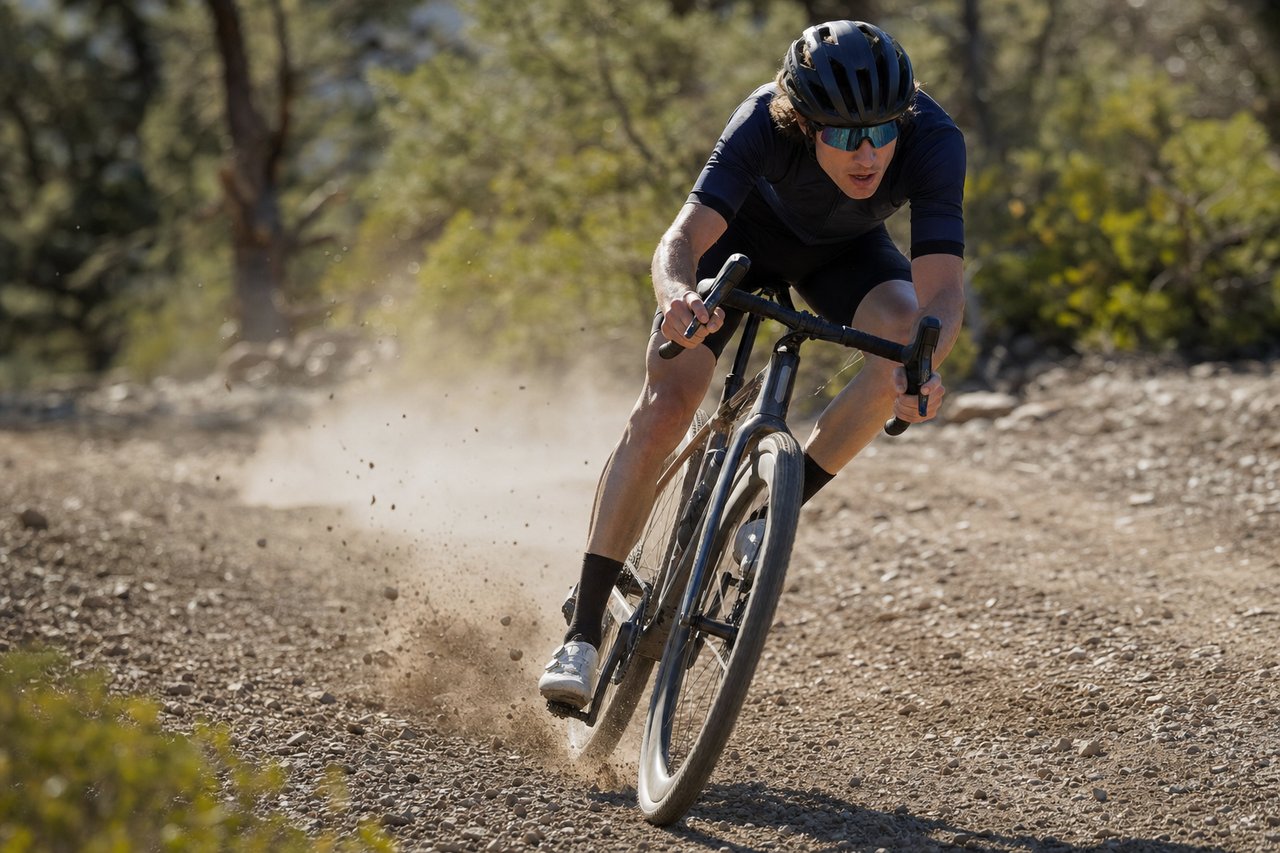
Gravel vs. Road Cycling: What's Actually Different
Beyond the tires — geometry, handling and the riding it actually changes.
Read the guide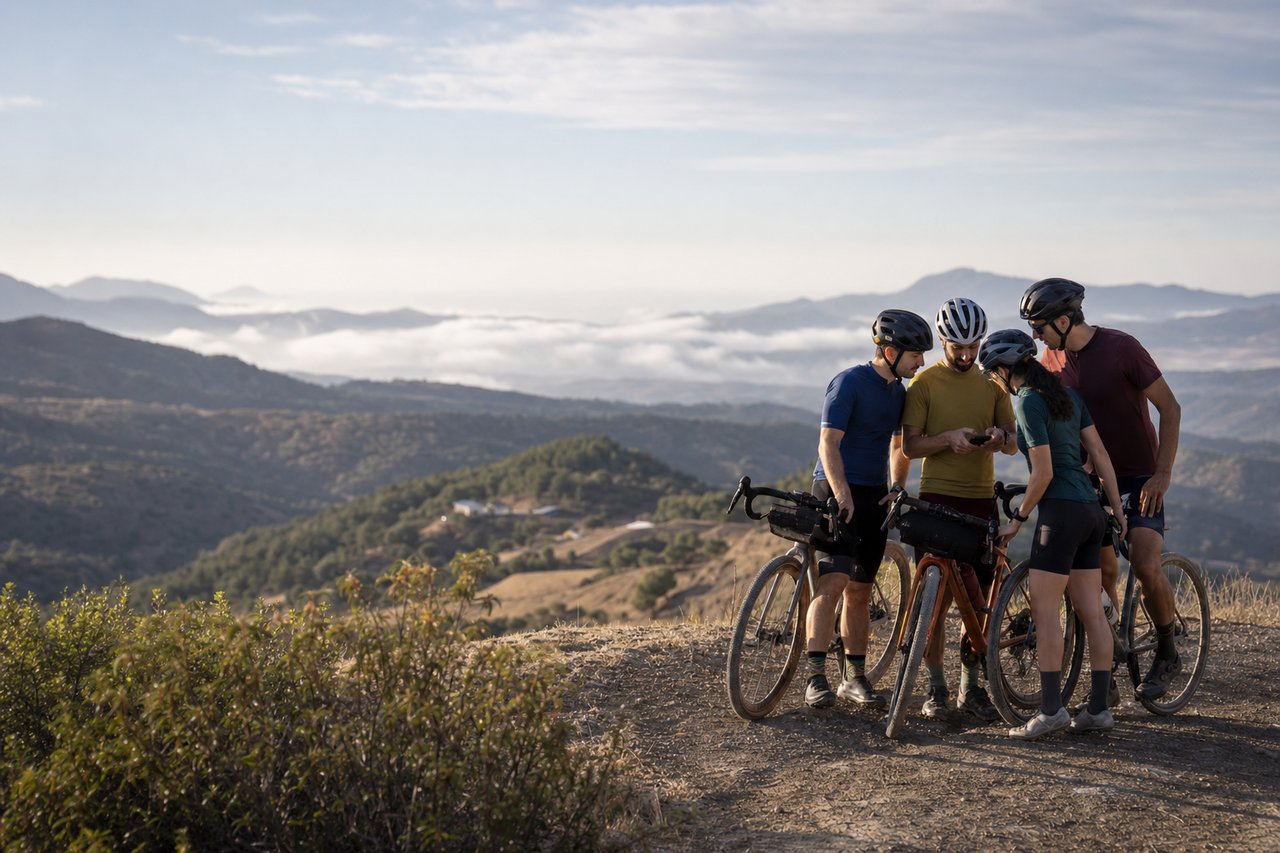
Getting Started with Gravel Cycling
What to expect on your first proper gravel ride, and how not to over-prepare for it.
Read the guideA couple of things people ask
Do I need a dedicated gravel bike, or can I ride gravel on what I already have?
A hybrid or a road bike with clearance for wider tires will get you through most gravel rides. The geometry differences mainly show up on rougher, looser terrain, where a purpose-built gravel bike's more relaxed handling and extra tire clearance start to matter.
What tire width is actually right for gravel riding?
It depends entirely on the terrain, which is exactly why there's no single right answer sold on a box. Hardpack and gravel roads suit narrower, faster-rolling tires; loose, rocky or root-strewn terrain rewards width and volume over rolling speed.
Is gravel riding safe for a first-time off-road rider?
Yes, more so than singletrack mountain biking — gravel roads are wider, sightlines are generally longer, and there's rarely technical obstacles like roots or drops to navigate. The main adjustment is trusting the bike more on loose surfaces, which mostly comes with time in the saddle.
How is gravel racing different from a casual gravel ride?
Pacing and route reading matter more than raw fitness once distances stretch past what most road races cover. A rider who reads the terrain well and manages effort over several hours will often beat someone stronger who blows up chasing a pace that only makes sense on pavement.
What should a first gravel ride actually look like?
Shorter and more forgiving than the route you'd eventually like to do — a loop with an easy bail-out point, on terrain you can walk back from if a tire or a derailleur hanger gives out. Save the remote, point-to-point routes for once you've got a feel for how your bike and body handle loose surfaces.