A gravel bike looks like a road bike from ten feet away — drop bars, a similar frame silhouette — and that's exactly why the category confuses people. The differences are smaller than a mountain bike's, but they change what the bike is actually for.
The short version
Take a road bike's drop-bar riding position, widen the tire clearance enough for real off-road tread, relax the geometry slightly for stability on rough surfaces, and you have a gravel bike. It's a road bike built to tolerate the surfaces a road bike would hate.


Where it actually differs from a road bike
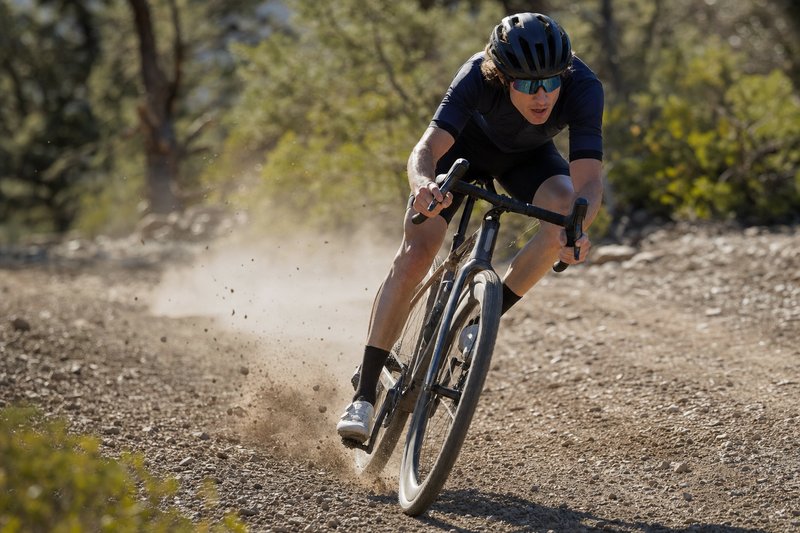
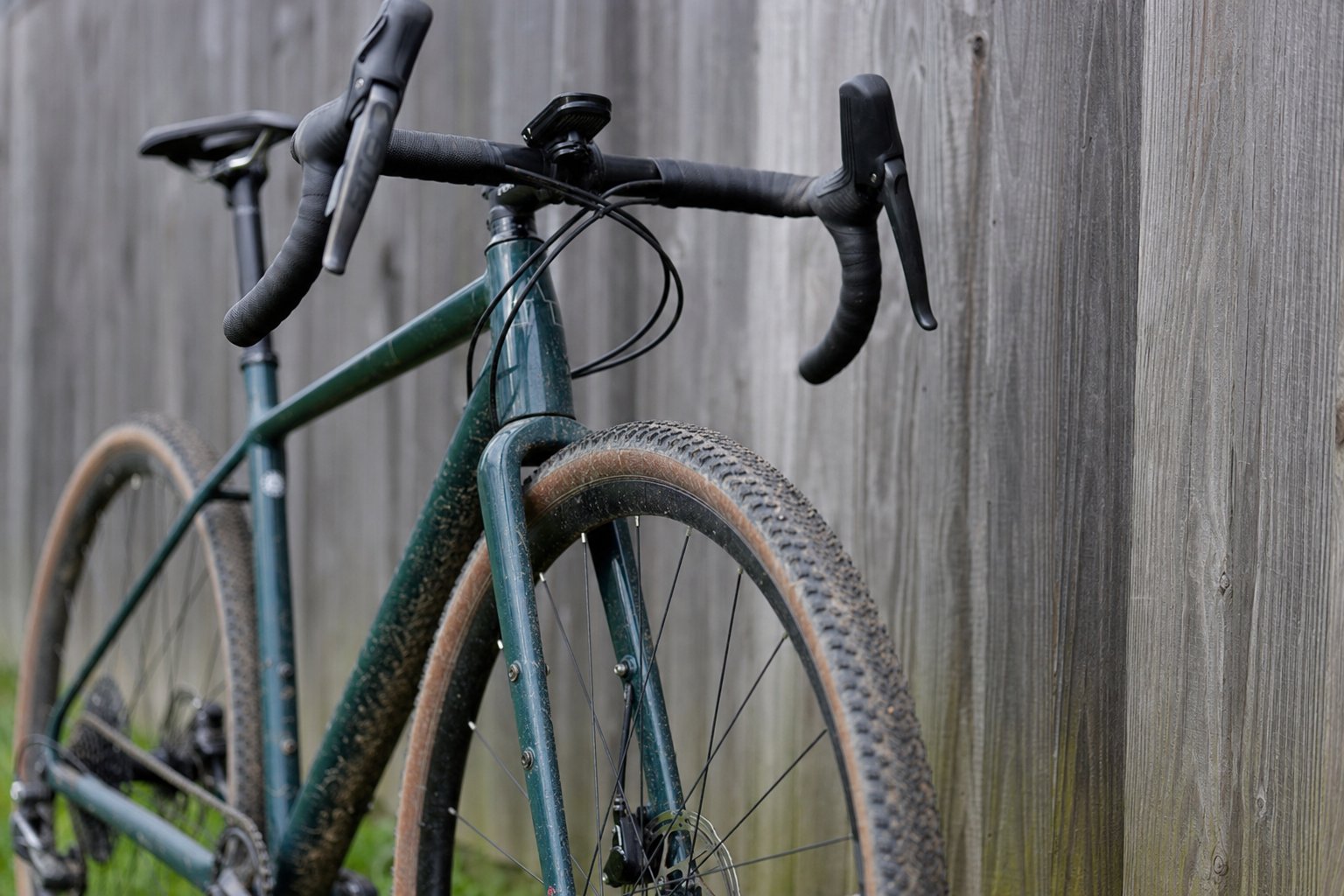
Tire clearance is the headline difference — most gravel bikes fit 40-50mm tires versus a road bike's 25-32mm ceiling. Wider tires at lower pressure absorb the surface instead of transmitting every stone to your hands. The frame geometry is usually a touch more relaxed too, trading a little sprint-stiffness for stability when the surface gets loose. (More on exactly how that plays out on the bike in our gravel vs. road cycling comparison.)
The tire is doing most of the work. Everything else is the frame getting out of the tire's way.
Where it differs from a mountain bike
A mountain bike is built for terrain a gravel bike can't touch — technical singletrack, real elevation drops, rock gardens. Gravel bikes stay in drop-bar road-riding territory: fire roads, dirt farm tracks, gravel forestry roads, the surfaces between pavement and genuine trail.
Flared bars and wider gearing
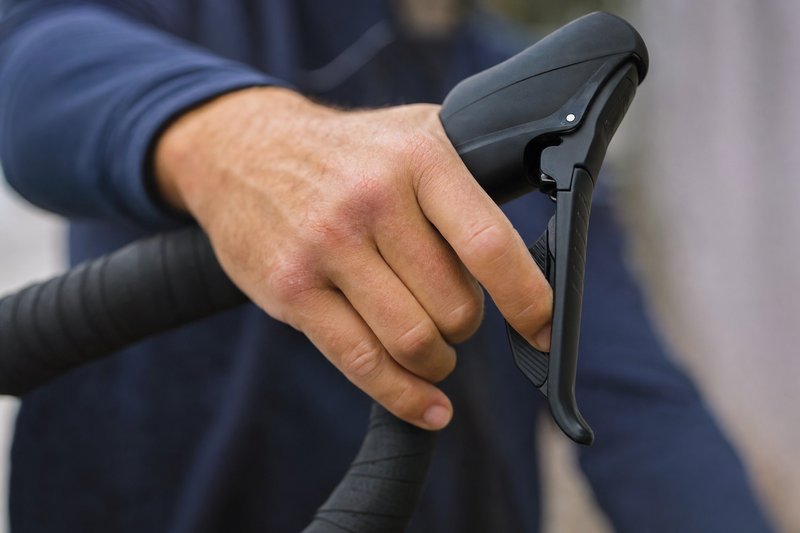
Look closely at a gravel bike's cockpit and two more differences show up. The drop bars are usually "flared" — angled outward at the bottom of the drop rather than running straight down like a road bar — which widens your hand position for extra stability when you're descending loose gravel out of the saddle. Gearing tends to be wider-range too, trading a road bike's tight jumps between gears for a bigger spread that covers steep, loose climbs at one end and reasonably fast tarmac connectors at the other.
Who a gravel bike is actually for
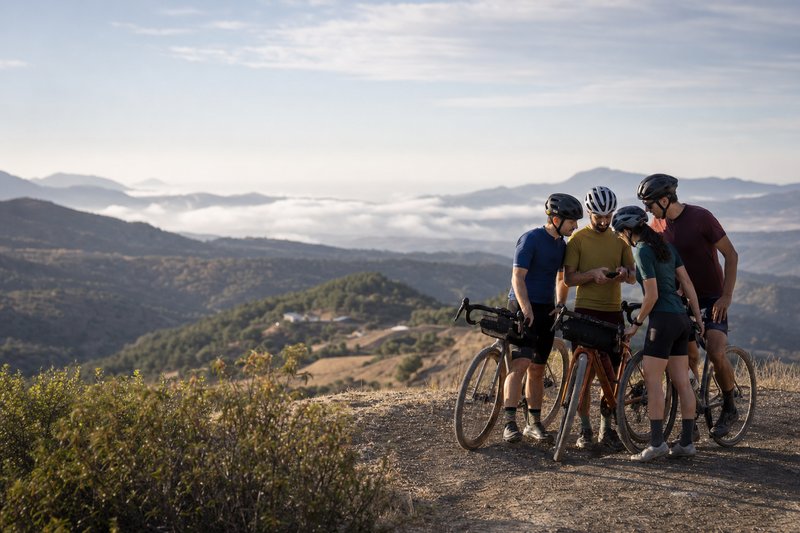
The category has grown well beyond its original "road bike for dirt roads" niche. It's become a genuine one-bike answer for riders who want to mix commuting, fitness rides on pavement, and weekend exploring on unpaved routes without owning three separate bikes. It also works as a light-touring platform for shorter, less remote trips where a dedicated touring bike's extra weight and over-built parts aren't necessary — see our touring bikes guide for where that line sits.
Mounting points: built to carry things
Look at the frame itself and another quiet difference shows up: most gravel bikes ship with far more braze-on mounts than a comparable road bike — extra bottle-cage positions on the fork legs and under the down tube, mounts for a top-tube bag, sometimes rack and fender eyelets as well. None of that is essential for a short ride, but it's exactly what turns a gravel bike into a viable light-touring or bikepacking platform without needing frame bags that clamp on rather than bolt on. It's a small spec-sheet detail that says a lot about what the category is actually designed to be used for.
A couple of things people ask
Can I just ride my road bike on gravel instead?
For short, smooth gravel sections, sure. For anything sustained or loose, the narrower tires and tighter clearance will make it uncomfortable and eventually risky on the sidewalls.
Do I need a gravel bike specifically, or would a hardtail mountain bike do?
A hardtail works fine off-road but loses efficiency on the paved sections most gravel routes still include — flat bars and heavier tires cost you speed on the connecting tarmac.
Can a gravel bike handle light singletrack?
Smooth, non-technical singletrack, generally yes. Once roots, drops or tight technical sections show up, the narrower tires, drop-bar handling and lack of suspension become real limits rather than minor inconveniences.
Do all gravel bikes have flared handlebars?
No — flare amount varies a lot between models, and some gravel bikes use bars close to a standard road shape. It's worth checking the specific bar on a bike you're considering rather than assuming every gravel bike handles the same in the drops.