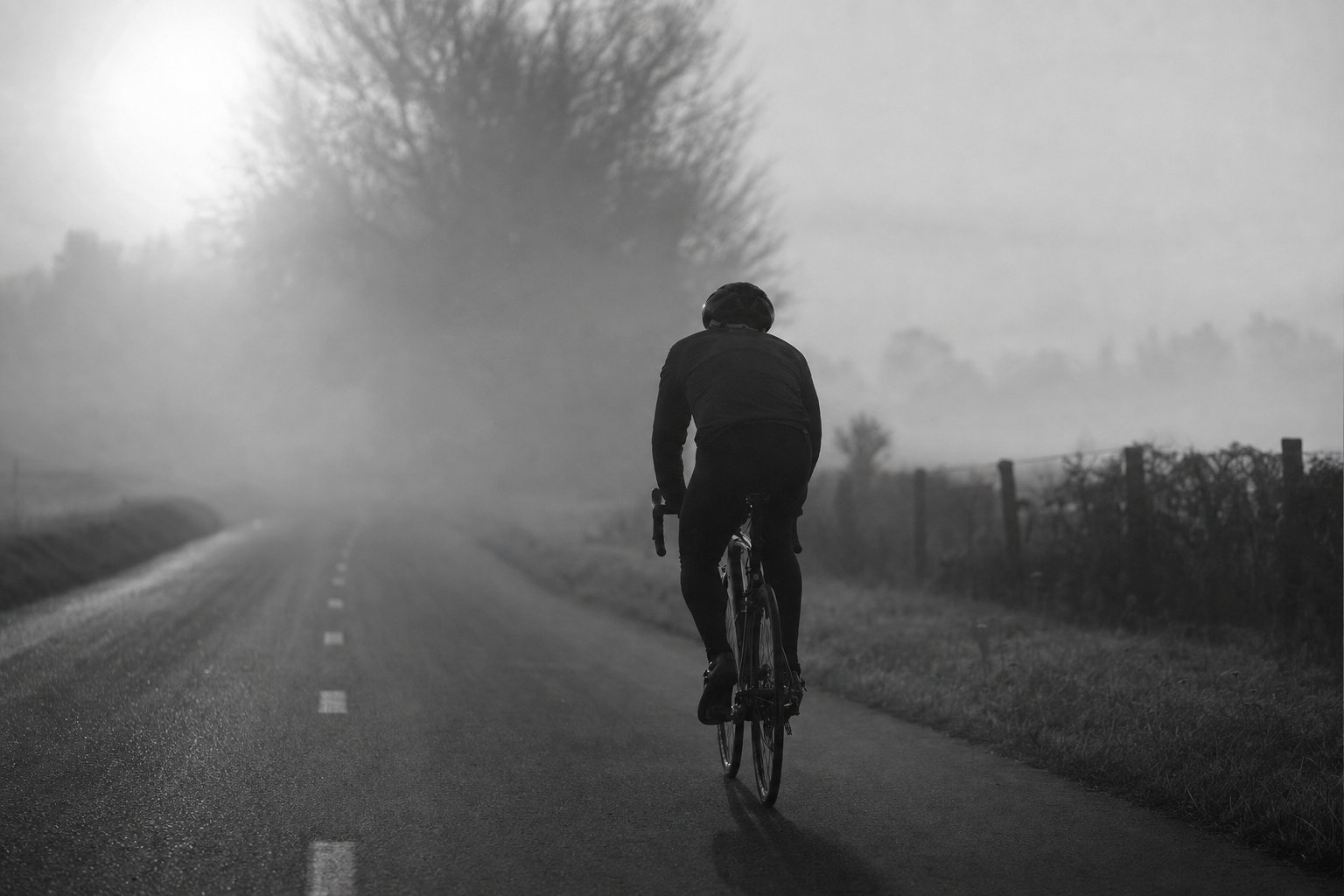
Cycling Culture Stories & Photography
Interviews, photo essays and illustration — the slower, quieter corner of the site.
This is the instinct that got the original Ride Journal covered by design press long before anyone searched for it. Low traffic, high reason to exist — the identity everything else here is built around: cycling culture, told properly.
Cycling Culture Stories & Photography: What Actually Lives Here
These are the cycling culture stories and photography this site exists to carry — the original print magazine's history, the people who made it, and the ideas that shaped how it looked and read. The rest of this site is built to answer a question quickly — how to fix a chain, what a gravel bike is, what a tune-up should cost. The Journal is the opposite of that: slower writing about why any of it matters to the people who do it.
That distinction matters for what you'll find in each piece. A practical guide gets to the point in the first paragraph because that's what it's for. A Journal piece is allowed to sit with a subject longer — an illustrator's years-long commission, the economics of a not-for-profit print run — because the value here isn't speed, it's depth. If the rest of the site is the reason you'd bookmark this domain, the Journal is closer to the reason the original print run got remembered at all. That's what cycling culture stories are for, and it's exactly why the Journal treats photography and illustration as seriously as the writing itself.
None of that means the Journal exists in isolation from the rest of the site. The same editorial standard that governs the practical guides applies here — no invented sources, no dressed-up marketing copy, nothing claimed that can't be backed up. It's just applied to a different kind of subject: people and history instead of procedures, judgment instead of instructions. As more of the print run's story gets written up properly, this is where it'll live.
A Journal piece usually starts from one specific, checkable fact about the original print magazine — where it was stocked, who illustrated it, how it was funded — and builds outward from there rather than starting with an opinion and working backward to justify it. That ordering matters more here than it does on a practical guide, since the whole point of writing about history is getting the history right first.
What that has meant so far: the illustrator behind all ten covers — a single years-long commission that gave the magazine a face before anyone read a word of it, and a decision that says more about how the title was run than any circulation figure would.
More pieces will follow the same pattern — a specific, sourced detail about the original magazine's history, written up properly rather than mentioned in passing. That's a slower way to build out a pillar than publishing on a schedule, and it's the trade-off this section is built around.
None of this is nostalgia for its own sake. The original print run earned trust before it earned traffic, and the value of writing this history up properly is that it makes the same standard visible now — no invented sources, no filled-in blanks where a fact isn't confirmable, whether the subject is a chain-cleaning guide or a decade of a magazine's back-catalog.
That's also why this pillar moves slower than the rest of the site. A practical guide can be finished once it's technically accurate. A piece about the print run's history needs the underlying fact checked first, which takes longer than most of what gets published elsewhere here — and that trade-off is deliberate, not a sign the section is neglected.

A couple of things people ask
What happened to the original print edition?
The original Ride Journal ran for ten print issues before going on an indefinite break. The Journal section is where that history — and the editorial instinct behind it — lives on.
Why does a cycling site have a section that isn't about gear or maintenance?
Because that was the original magazine's identity before it was anything else. It got covered by design press for its look and its writing, not because anyone searched for it — low traffic, high reason to exist. Keeping that instinct is the point of this pillar.
Who illustrated the original magazine's covers?
Shan Jiang illustrated all ten covers across the print run — a single years-spanning commission. "In the Frame" covers that story in more depth.
Will more Journal pieces be added over time?
Yes. This pillar grows more slowly than the practical guides elsewhere on the site, since it's reflective, researched writing rather than a queue of how-tos — but it's an ongoing section, not a one-off retrospective.
Does the Journal pillar carry the same editorial standards as the practical guides?
Yes — no invented dates, figures or claims about the print run's history. Where a detail isn't independently confirmable, the piece says so rather than smoothing it over, the same rule that applies to a maintenance guide or a gear comparison elsewhere on the site.