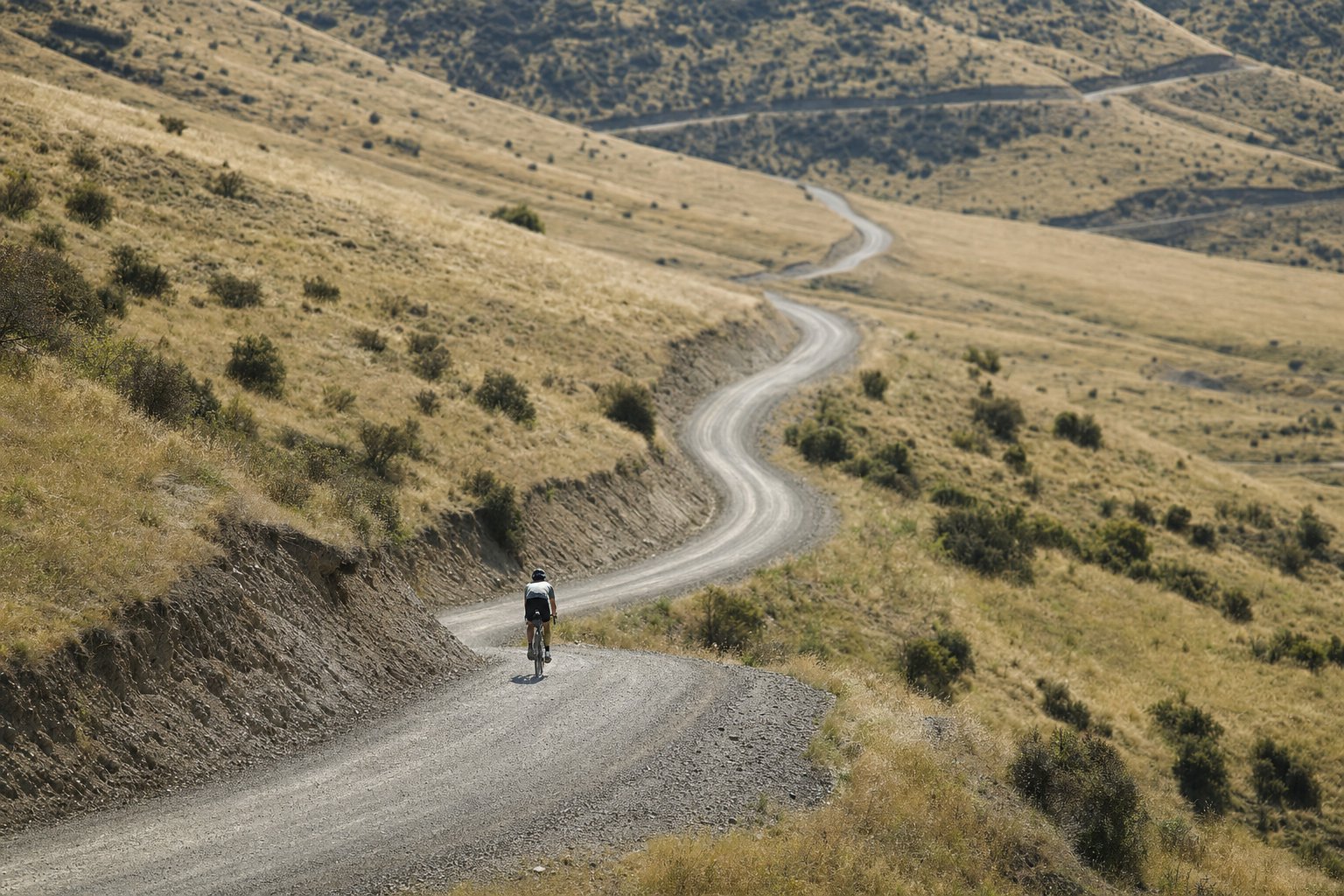
Bikepacking Guide for Beginners
Load a bike, disappear for a weekend, come back different. Routes, setups and stories for going further with less.
Why This Pillar
Bikepacking isn't a niche — it's just riding somewhere and staying overnight. No entry gear list, no specific bike required. Here's what we've learned about doing it well, told the way we always tell things: through the people who actually did it.
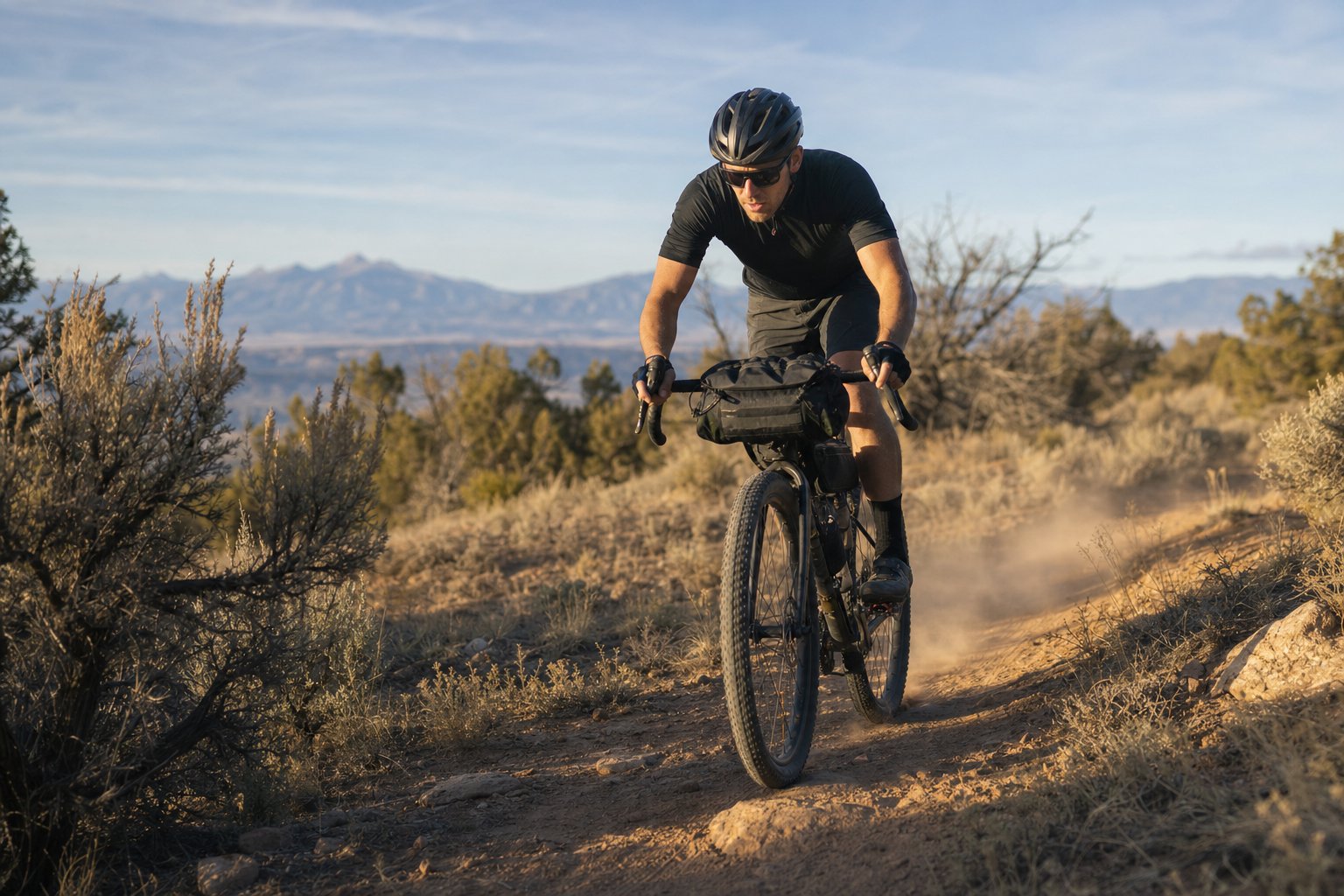
What Is Bikepacking? A Beginner's Guide to Getting Started
No special bike, no entry fee, no club — just a loaded frame and somewhere to be by dark.
Read the guide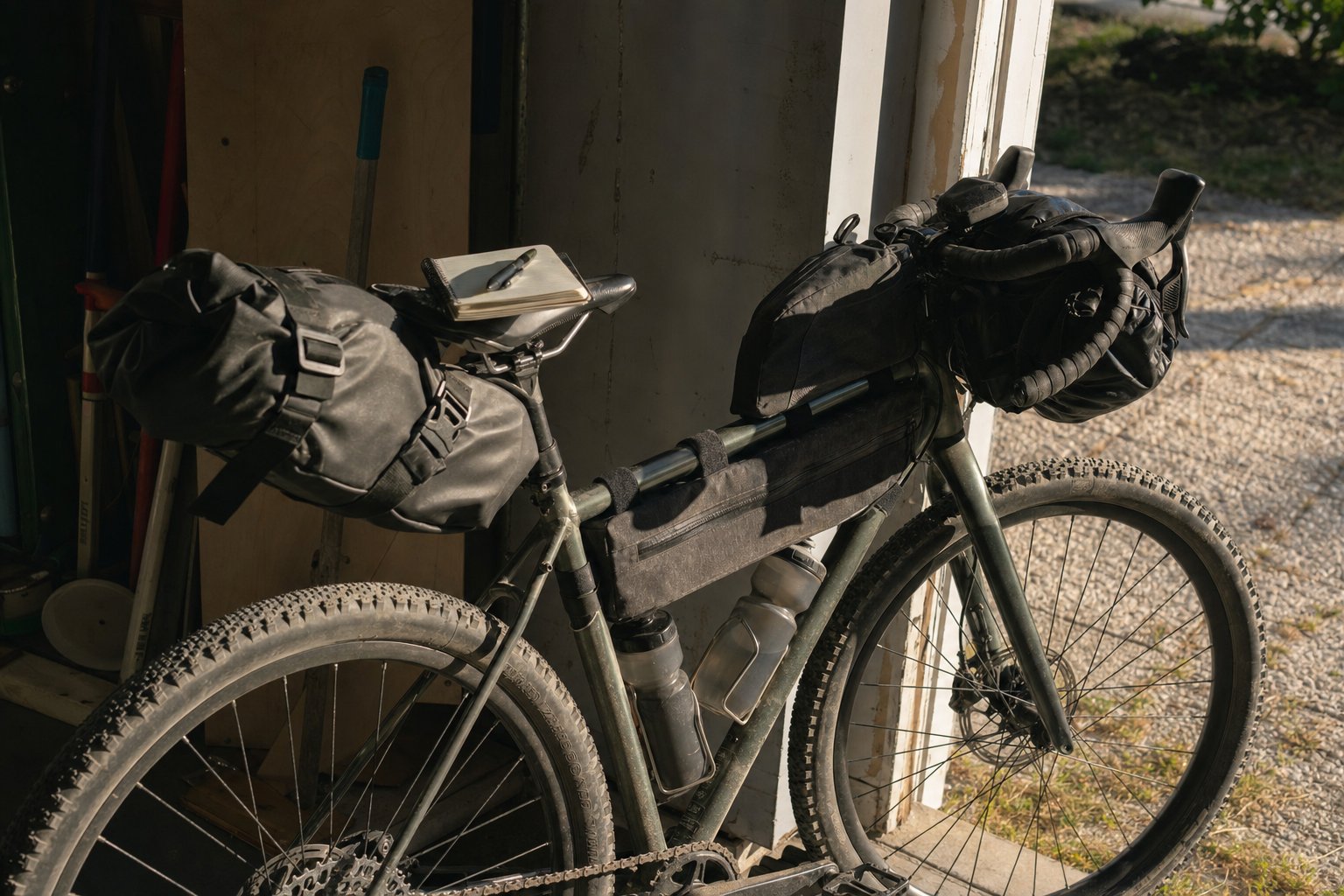
What Does Bikepacking Actually Cost? A Real Budget Calculator
Pick what you actually need to buy and get a real running total — not a single made-up number that ignores what you already own.
Try the calculator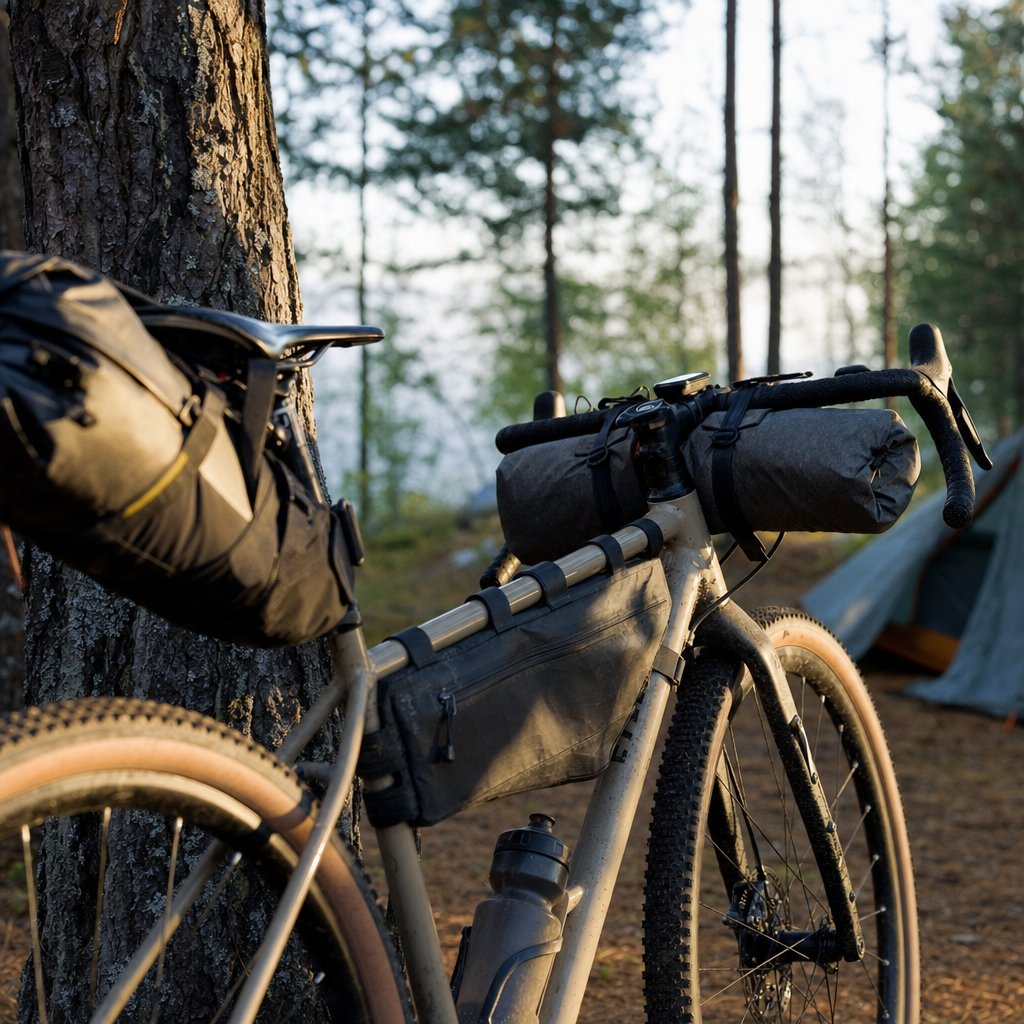
How to Set Up Your Bike for Bikepacking
Where the weight actually goes, and why most first-timers overpack the same three things.
Read the guide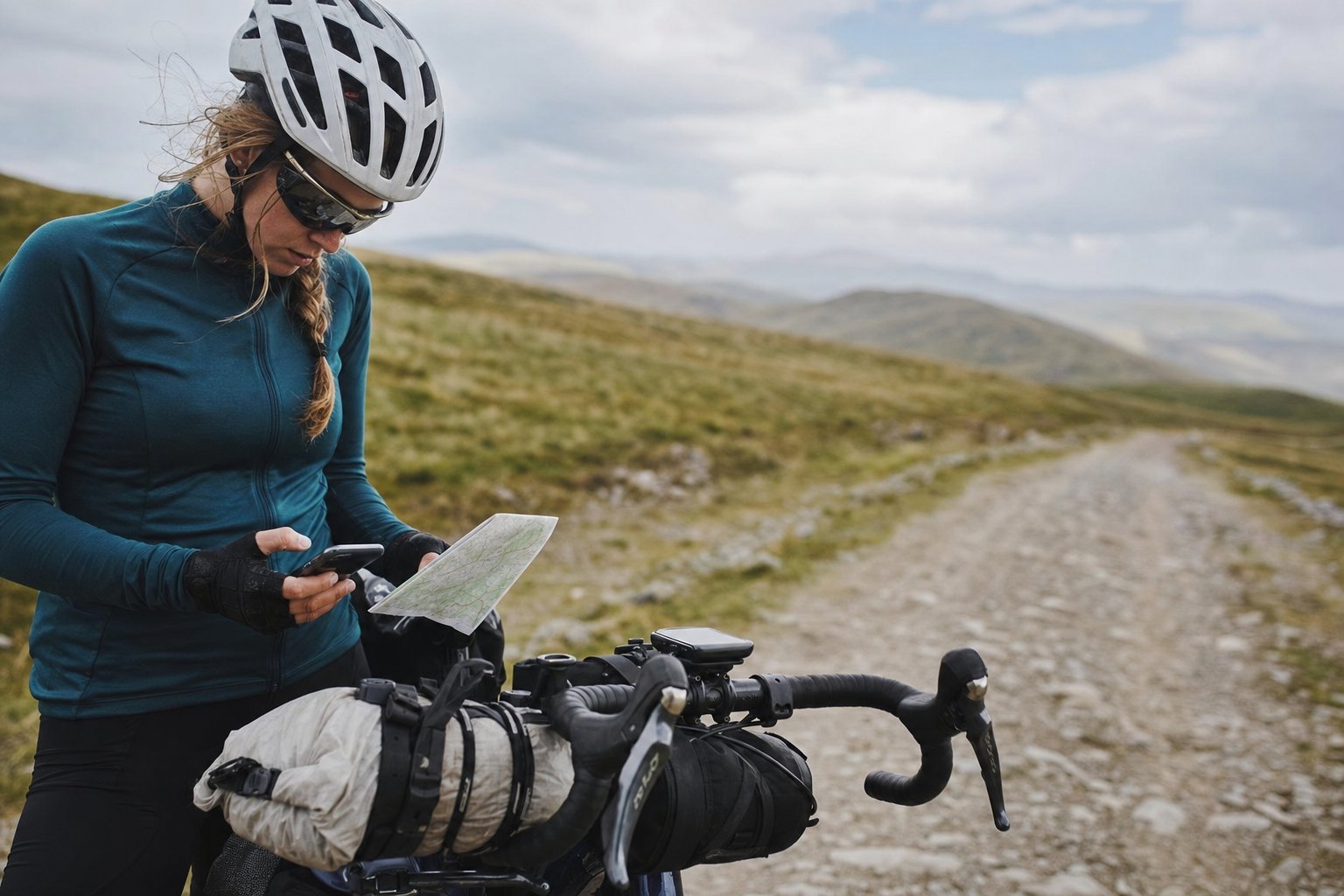
Bikepacking Routes Worth Riding
A running, honestly-curated list — updated as we actually ride them, not scraped from someone else's map.
Read the guide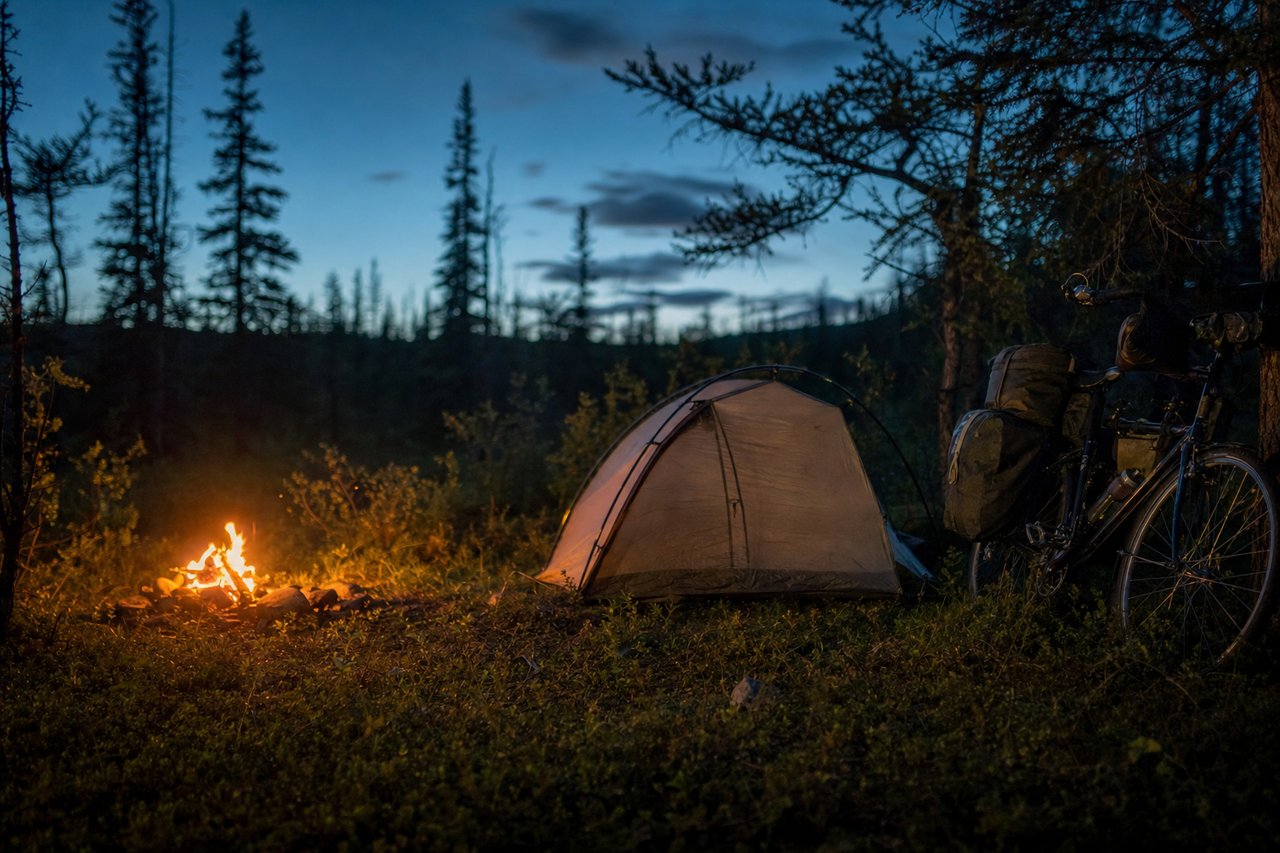
Bike Camping 101: Combining Cycling and Wild Camping
The overlap between touring and camping culture — and the one skill that makes both easier.
Read the guide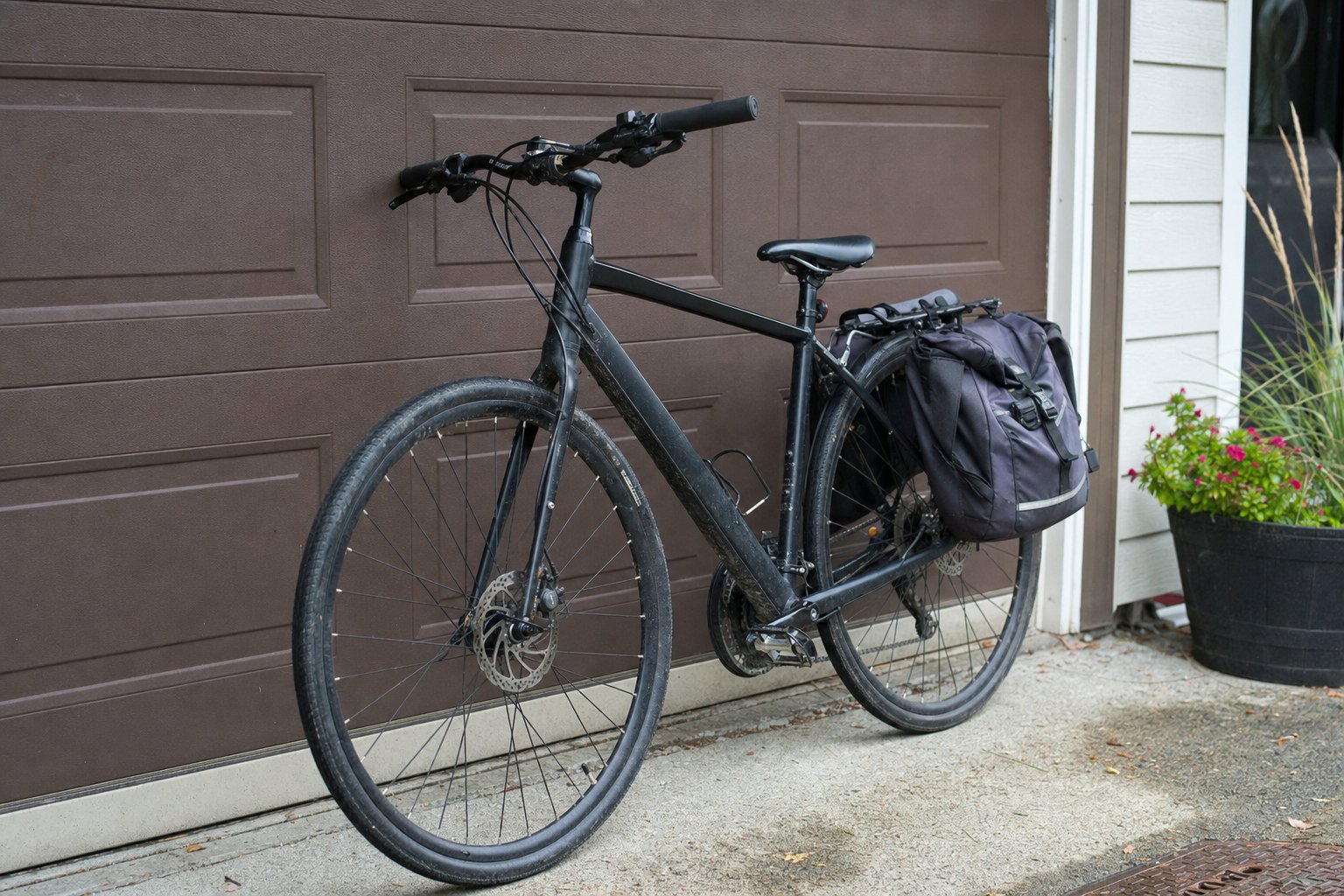
Do You Need a Special Bike for Bikepacking?
Short answer: no. Longer answer: here's what actually matters more than the frame.
Read the guideA Bikepacking Guide for Beginners: How to Think About Your First Trip
This bikepacking guide for beginners starts with the one thing that trips up almost everyone before gear or routes: what is bikepacking, really, if not loaded touring aimed at rougher terrain? Most first bikepacking trips fail from carrying too much, not too little. It's tempting to pack for every scenario — a spare of everything, a tool for anything that could break — but the extra weight goes straight into how the bike handles on the terrain that actually matters, and a bag that isn't full is easier to forgive than one that's overstuffed on a climb. The gear question sorts itself out faster once you've actually loaded a bike and ridden it than it does from any packing list.
The other thing worth knowing before you plan anything ambitious: start close to home. A single overnight a short ride away tells you more about your own pacing, your bike's fit under load, and what you actually reach for than a week-long route would — and it's low-stakes enough that getting something wrong just means a slightly uncomfortable night, not a stranded trip. Whatever you learn on that first short loop — what you never touched, what you wished you'd packed — carries straight into the next, longer one. That's the real answer to what is bikepacking in practice, and it's exactly why this bikepacking guide for beginners keeps circling back to load and pacing before gear brand names.
Solo First Trip, or With Someone Who's Done It Before?
Both work, and the choice matters less than people assume. Riding with someone who's already done an overnight teaches you faster — pacing, what actually gets eaten from the food bag first, how quickly weather changes plans — because you're watching decisions get made in real time instead of guessing at them from a packing list. Going alone forces you to make every one of those calls yourself, which is its own kind of useful even when you get some of them wrong.
The one real advantage of riding with an experienced partner on a first trip isn't company, it's the safety margin: a second person who already knows what a genuinely bad situation looks like, versus one that just feels uncomfortable in the moment. That distinction is harder to learn from a guide than from watching someone calmly decide a soaked tent floor isn't actually an emergency. Either way, the first trip is where you find out what you actually need, not what a checklist says you need — and that lesson sticks whether you learn it solo or with company.
A couple of things people ask
Do I need a mountain bike or gravel bike to start bikepacking?
No. Almost any bike that fits you and can mount a rack or bags works for a first trip — what matters more than category is reliability and tire clearance for the surface you're actually riding, not a specific frame type.
How far should a first bikepacking trip be?
Short. A single overnight, 20 to 40 miles from home, tells you more about your setup and your own pacing than a week-long route would — and if something's wrong with the bike or the bags, you're close enough to just ride home.
What's the most common first-timer mistake?
Overpacking. Carrying gear for scenarios that probably won't happen adds weight in exactly the wrong places and makes a bike noticeably harder to handle on rough terrain — most experienced riders report bringing less each time, not more.
Do I have to camp to go bikepacking?
No — routing between guesthouses or B&Bs (sometimes called credit-card touring) trades pack weight for a fixed itinerary and is still bikepacking. Camping is a choice that suits some routes and riders better than others, not a requirement of the format.