"What bike do I need?" is the first question almost everyone asks before their first bikepacking trip, and it's usually the wrong one to spend time on. The bike matters far less than three other things that have nothing to do with the frame.
What the bike actually needs to do
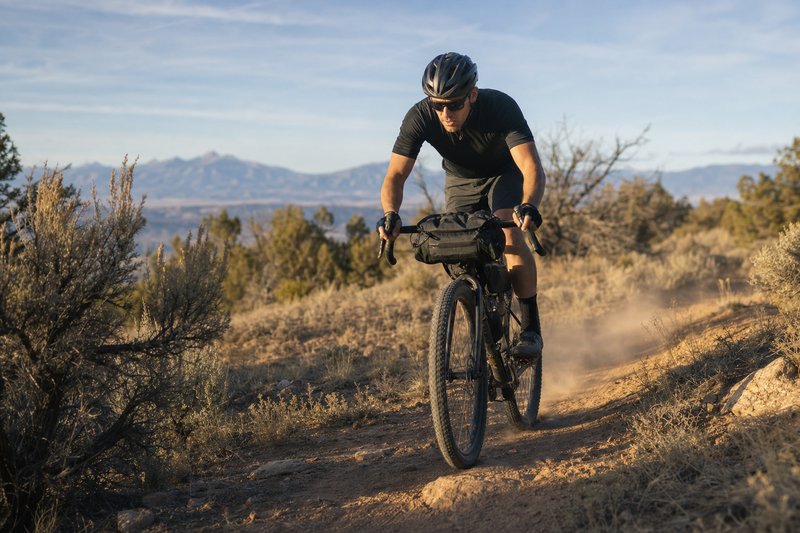
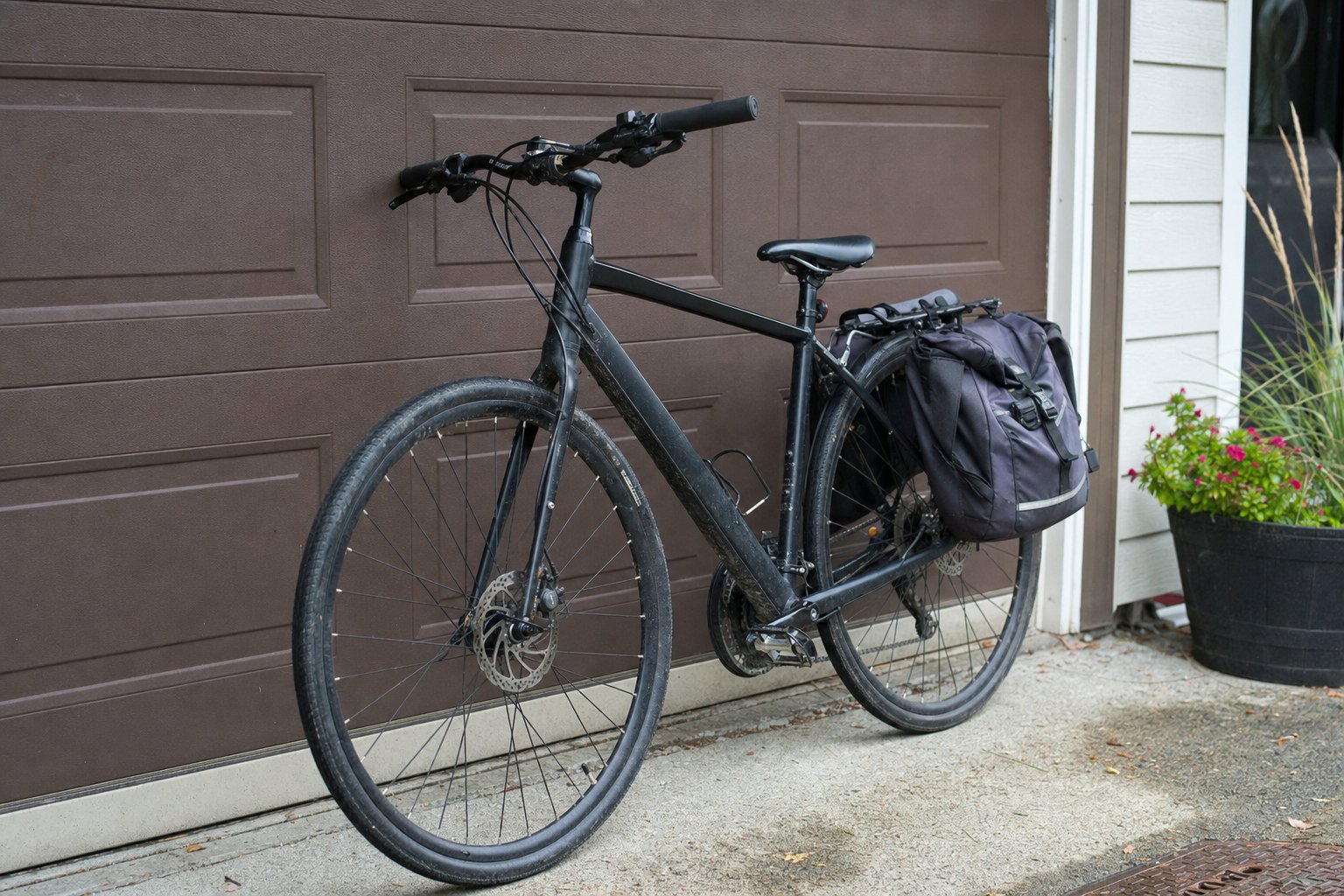
Two things, really: fit you comfortably for hours at a time, and have somewhere to mount a way of carrying gear — which, with modern strap-on bags, is close to "any bike with enough tire clearance not to rub." Gravel bikes, hardtail mountain bikes, touring road bikes and even some flat-bar hybrids all pass that bar for a first trip on mixed surfaces.

What matters more than the frame
Tire choice changes a ride more than almost any other single decision — wider, knobbier tires at the right pressure make a mediocre bike comfortable on rough gravel, while narrow, slick tires make an expensive bike miserable on the same surface. If you're adapting a bike you already own, this is the upgrade worth making first.
Fit matters more over eight hours in the saddle than it does over one. A bike that's slightly wrong for you is a minor annoyance on a commute and a genuine problem on day two of a loaded trip.
And the route should match the bike, not the other way around — a road-leaning gravel bike is a poor choice for a rocky, technical mountain-bike route, but it's the better choice for a route that's mostly quiet lanes and smooth fire roads.
Frame material gets debated endlessly and matters far less than the debate suggests. Steel has a reputation for a smoother ride and easier roadside repairs; aluminum is lighter and cheaper for the same spec; carbon saves weight but is less forgiving of a hard knock against a rock in the middle of nowhere. Any of the three will get a first trip done — this is a decision worth caring about once you know you'll keep doing this, not before.
Adapting the bike you already own
Before spending money on a new bike, look at what a few cheap changes to the current one can do. A tubeless tire conversion cuts flats dramatically on rough surfaces and lets you run lower pressure for more comfort and grip — often the single best upgrade for the money. A wider-range cassette or a smaller front chainring makes loaded climbing bearable on a bike that wasn't built with cargo weight in mind. And most bikes with even one set of bottle-cage bosses can take a top-tube bag or a set of cargo cages on the fork, which is often all the mounting capacity a short trip needs.
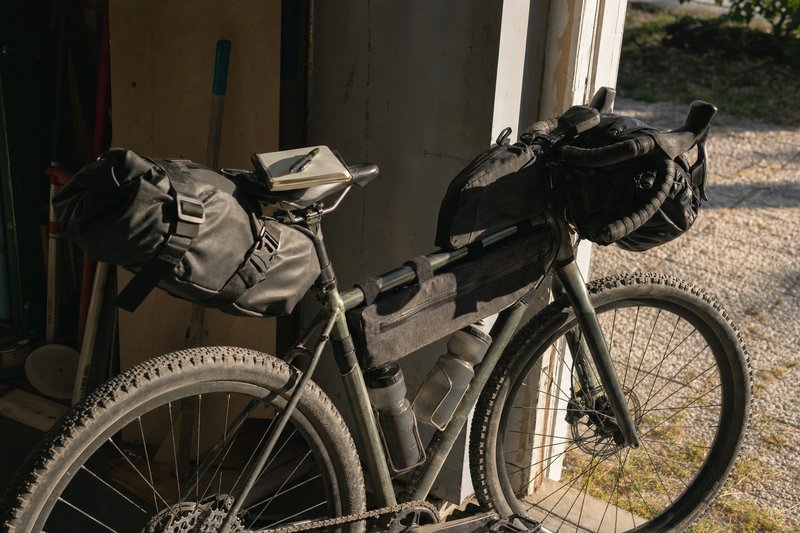
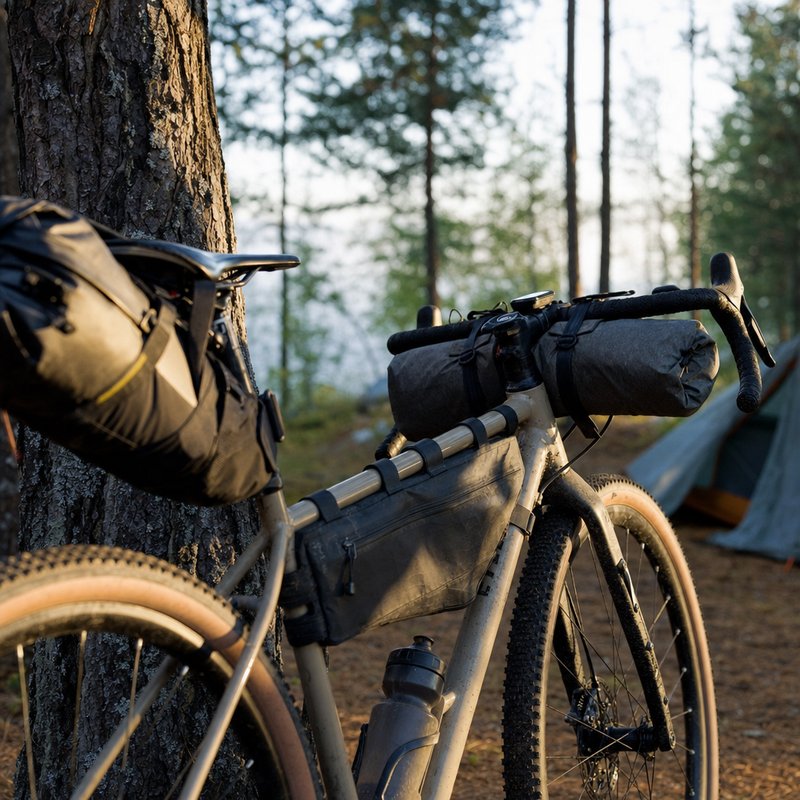
The bike doesn't need rack mounts to carry gear either. Modern strap-on frame bags, seat packs and handlebar rolls attach with straps and Velcro to almost any frame shape, which is exactly why so many bikepackers are out there on bikes that were never designed or marketed for it.
Buy tires before you buy a bike. It's the cheaper decision and it changes more.
A couple of things people ask
Can I bikepack on a road bike?
On tarmac and light gravel, yes, within the limits of its tire clearance. On anything rougher, a road bike's narrow tires and tighter frame clearance will make the ride uncomfortable well before they make it impossible.
Is a mountain bike overkill for bikepacking?
Only if the route doesn't need it. A hardtail is a completely reasonable bikepacking bike — it's just carrying suspension weight and less efficient road manners than a route made mostly of gravel and pavement actually needs.
Do I need disc brakes for bikepacking?
No, but they help. Disc brakes hold their stopping power better on a loaded bike in wet or muddy conditions than rim brakes do, and they don't wear down a wet rim the same way — genuinely useful on a long descent with a full load, not strictly required for a first short trip.
What frame material is best for bikepacking?
There isn't a single best — steel, aluminum and carbon are all in regular use on real trips. Pick based on what you already own, or what fits your budget, before worrying about the material itself.