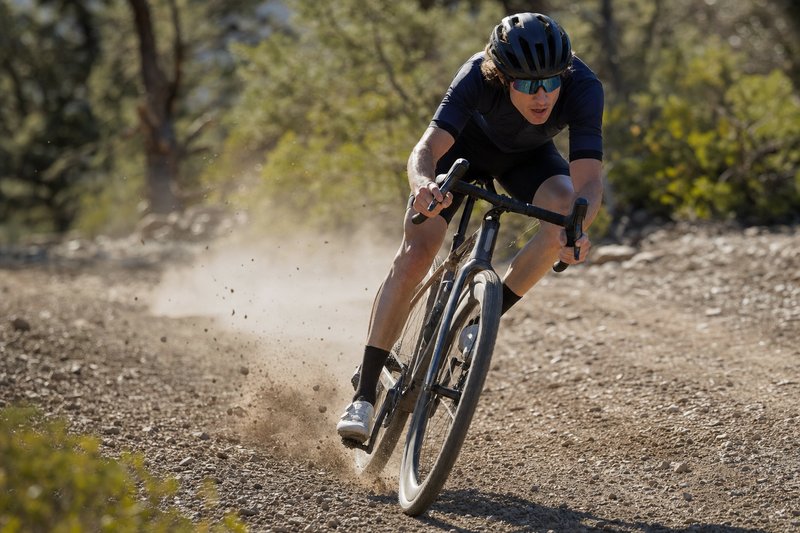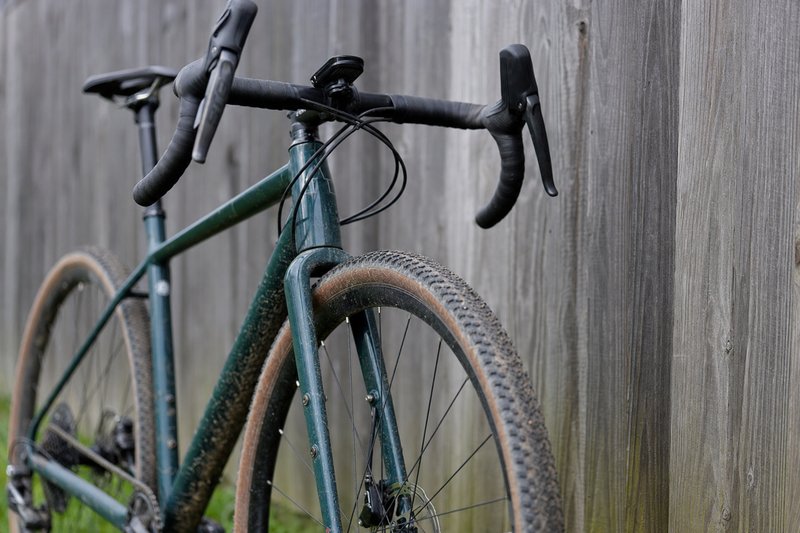
The biggest surprise on a first gravel ride usually isn't the bike, it's the pace — everything feels a little slower and a little more physical than the same distance on tarmac, and that's normal, not a sign anything's wrong.
Why the pace feels different, not just slower
Rolling resistance on loose or broken ground is genuinely higher than on tarmac, so a pace that feels normal on the road already takes more effort on gravel before surface changes, line choices and the extra concentration loose ground demands even enter into it. That's not a fitness gap showing up, it's a different kind of effort — more constant, less about raw power output and more about reading what's in front of the wheel a few seconds ahead.
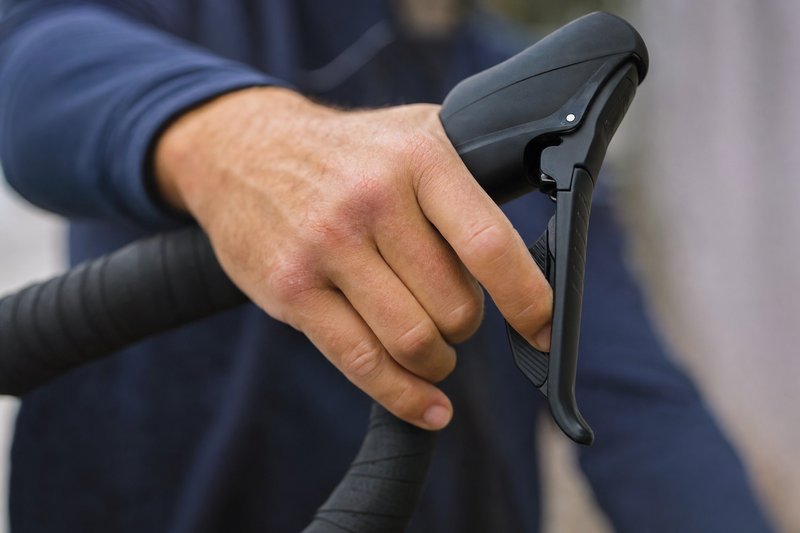
The upper body works harder too, even on a mellow route. Absorbing small bumps and corrections through the arms and shoulders instead of a smooth road surface adds a kind of fatigue that doesn't show up on a power meter or a heart-rate strap, which is part of why a shorter gravel ride can leave you more tired than a longer road one at the same effort. Expect that on the first few rides, and don't read it as being unfit — it's a genuinely different physical skill that improves with repetition, not raw fitness.
Pick a mixed route, not an ambitious one
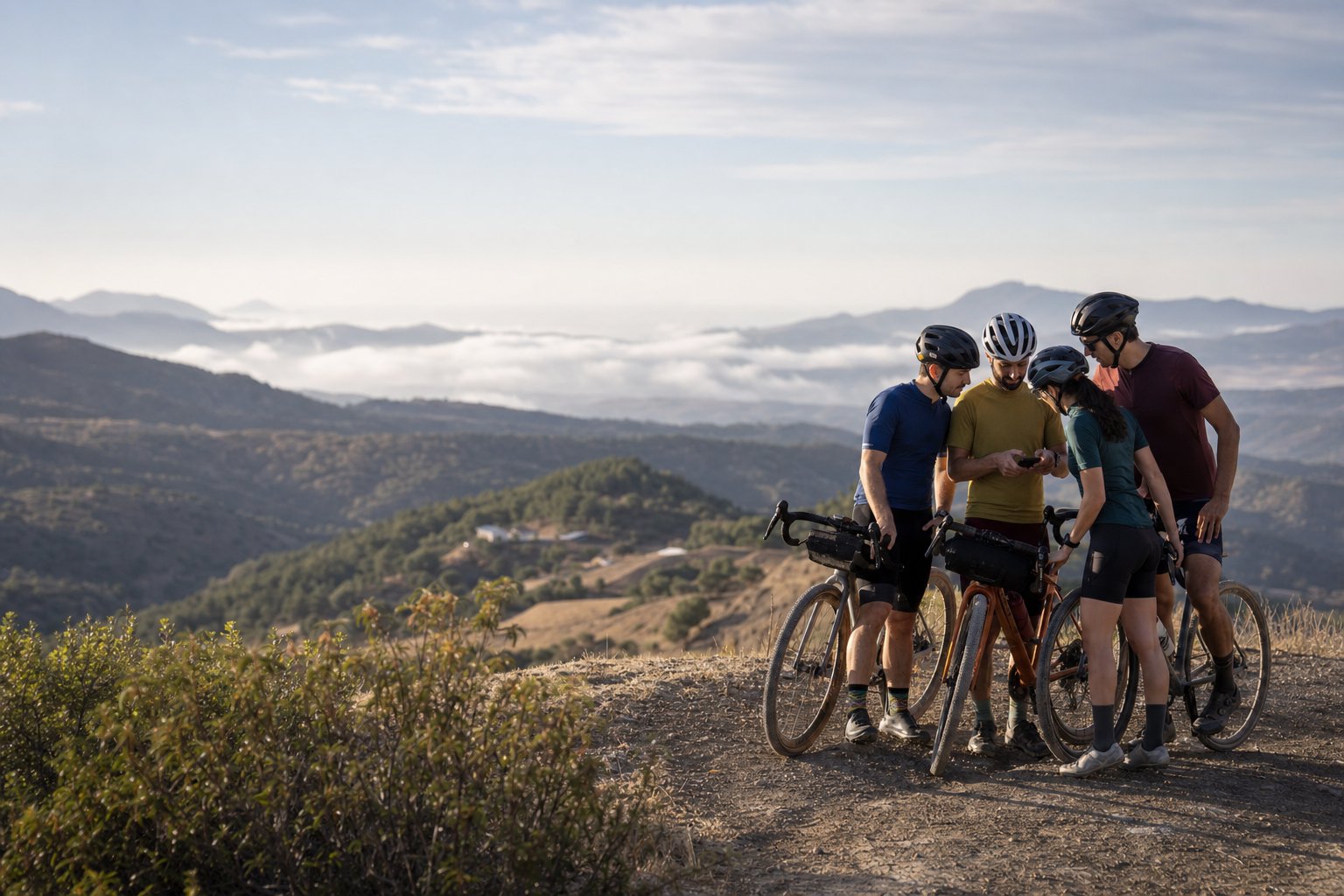
A first ride should be mostly easy fire road or dirt farm track with a bit of pavement connecting it, not the loosest, most technical route you can find nearby. The goal is learning how the bike moves under you on a forgiving surface before testing it on anything genuinely rough. Loop routes with a tarmac bail-out point work well for a first attempt, since they let you cut the ride short without backtracking the whole way if the pace turns out slower than expected.
Tire Pressure Starting Point
A starting point based on common gravel tire-pressure guidance — weight, tire width, surface and setup all shift the number. Always fine-tune from your own feel after a ride or two.

The bike will handle more than you think. The learning curve is trusting it to.
How not to over-prepare
It's tempting to buy every accessory before the first ride — a full bikepacking bag setup, specific gravel shoes, a GPS unit. None of it is necessary for a first outing. A bike that fits, a helmet, a spare tube and a route you already know the general shape of is a complete kit for getting started; the rest can wait until you know what you actually want. Buying gear before you've done a single ride usually means guessing at needs you haven't actually felt yet.
A couple of things people ask
Do I need a gravel-specific bike to try this?
Not for a first ride — a hybrid or older road bike with slightly wider tires can handle an easy fire-road route fine. See our what is a gravel bike guide once you're deciding whether to commit to one.
How do I know if a route is too technical for a first ride?
If route descriptions or maps mention singletrack, stream crossings or significant elevation loss on loose surfaces, save it for later — a smooth fire road or converted rail trail is the right starting difficulty.