Fixing a flat bike tire roadside is a different job from doing it at a workbench — no stand, no good light, and usually somewhere you'd rather not be crouched down for longer than necessary. The steps are the same either way; roadside just rewards knowing them cold.
Get the wheel off and the tire open
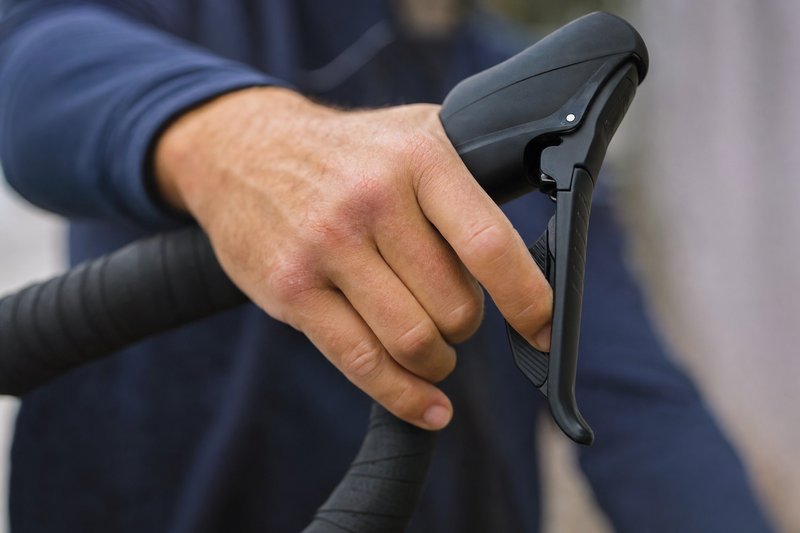
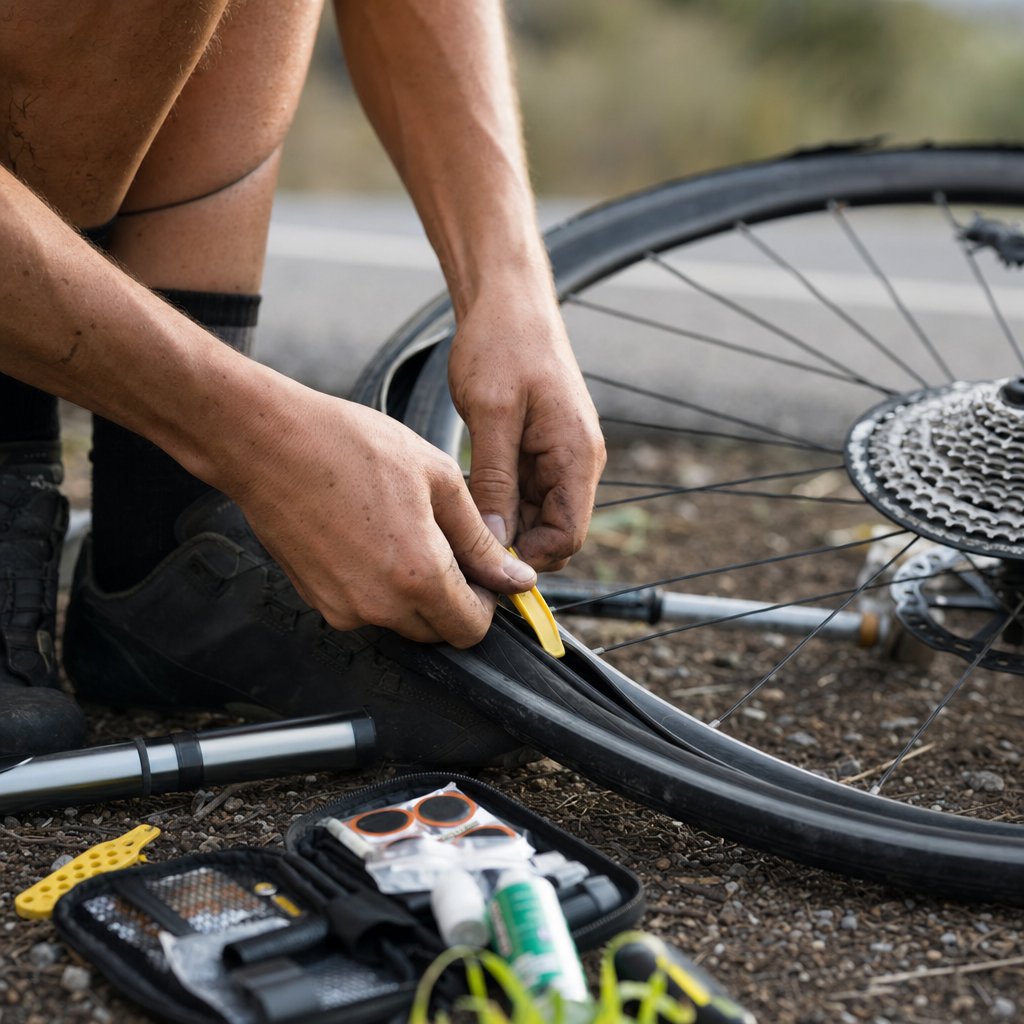
Release the brake if needed, pull the wheel, and work a tire lever under the bead opposite the valve. Hook a second lever a few inches along and work one side of the tire off the rim — you rarely need to remove the tire completely, just enough to get the tube out.

Find out why it actually went flat
Before fitting a new tube, run a finger carefully around the inside of the tire feeling for whatever caused it — a thorn, a sliver of glass, a bit of wire. Fitting a fresh tube without checking this is the single most common reason for a second flat twenty minutes later.

A flat with no obvious cause is usually a pinch flat from hitting something hard at low pressure — worth remembering next time, not just fixing now.
Fit the new tube and reseat the tire
Put a little air in the replacement tube first — just enough to give it shape, not enough to make it hard to work with. Tuck it inside the tire, work the tire bead back over the rim by hand where possible, and save the levers for the last few stubborn inches.

Inflate gradually and check it's seated evenly
Pump a little air in, then check the tire sits evenly around the rim on both sides before going to full pressure — a tube trapped under the bead at this stage causes a blowout, not a slow leak, so it's worth the extra thirty seconds to check.

What a pinch flat actually is, and how to stop repeating it
A pinch flat — sometimes called a "snakebite" for the two parallel holes it leaves in the tube — happens when a tire hits something hard enough to compress fully, squeezing the tube between the tire casing and the rim edge. It has nothing to do with tube quality; it's almost always a sign the tire pressure was too low for the rider's weight, the load being carried, or the terrain.
If pinch flats keep happening on the same bike, the fix is usually higher pressure rather than a tougher tube — check the pressure range printed on the tire's sidewall and run closer to the top of it on rough roads, or size up to a wider tire that can run more volume at the same pressure. A tube with two clean, parallel slits rather than a single puncture point is the tell that this is what happened, even if you never remember hitting anything.
Patching instead of replacing, when it's worth it
A patch works fine for a straightforward puncture and is worth doing when you're out of spare tubes or just don't want to burn one unnecessarily — rough up the area around the hole with the kit's sandpaper, apply glue (or use a self-adhesive patch, which skips this step), and let it set for the time the kit specifies before pressing the patch on. Rushing the glue-drying step is the most common reason a patch fails within a mile of applying it.
A patch generally isn't worth trying on a sidewall tear, a valve-stem failure, or a tube with more than one or two small holes — at that point a fresh tube is faster and more reliable than patching several spots on the same one. Most riders treat a patched tube as a genuine spare rather than a permanent fix, swapping it for a new one once home rather than relying on it indefinitely.
A couple of things people ask
Should I carry a spare tube or a patch kit?
Both, if there's room — a spare tube gets you moving again fastest, and a patch kit is the backup for a second flat on the same ride when you're out of spares.
Why do I keep getting flat bike tires on the same wheel?
Check the rim tape or strip first — a worn or shifted rim strip exposes a spoke hole edge that will puncture tube after tube from the inside, which looks identical to bad luck until you actually check.
CO2 inflator or mini pump — which should I actually carry?
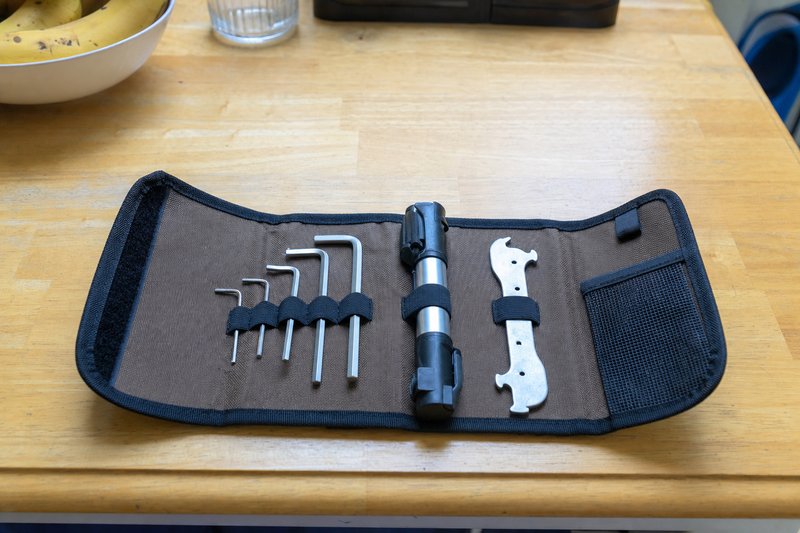
A CO2 inflator gets you to full pressure in seconds, which matters if you're racing or riding somewhere cold, but each cartridge is single-use and gone once it's spent. A mini pump takes longer and more effort but never runs out — carrying both, or a pump as backup to a CO2 cartridge, covers the case where the first fix doesn't hold.
Would tubeless tires have prevented this?
Tubeless setups seal small punctures on their own using sealant inside the tire, so a lot of the flats that would stop a tubed rider dead never register at all. They don't prevent pinch flats from a hard enough impact, and a cut too large for the sealant to close still needs a plug or, worst case, an emergency tube inserted the same way as a standard repair.