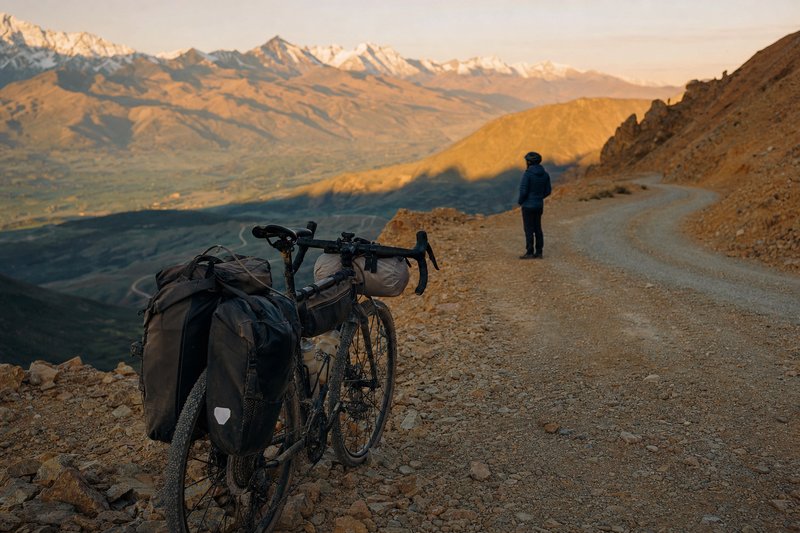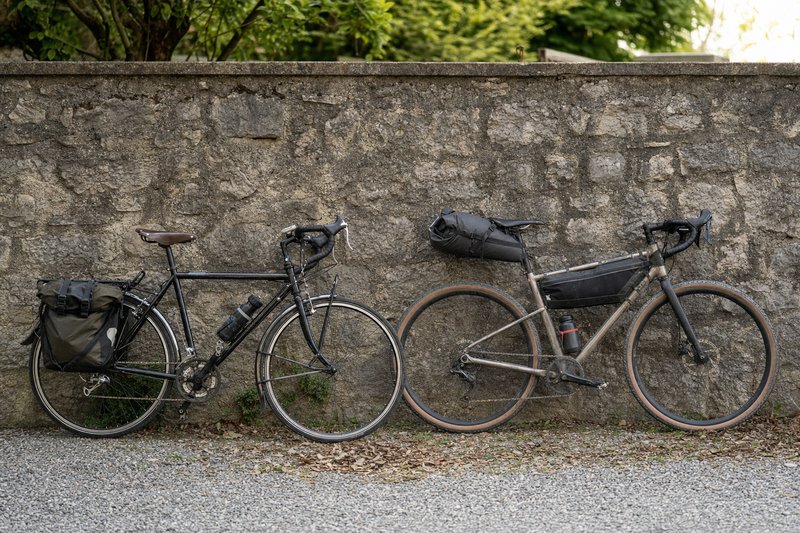
A handful of boutique makers — Restrap, Rogue Panda, Road Runner among them — have built real reputations in bikepacking bags specifically because the differences between a good setup and a mediocre one only show up once you're loaded and climbing, not sitting on a shop shelf.
Bikepacking Bags: A Practical Guide to Choosing the Right Setup
How to choose bikepacking bags comes down to matching bag type to trip length and terrain, not chasing whichever setup looks best in a product photo — this guide breaks down what actually separates a good bag from a mediocre one, type by type, so the choosing gets easier as you read.
Frame bags: fit matters more than the label
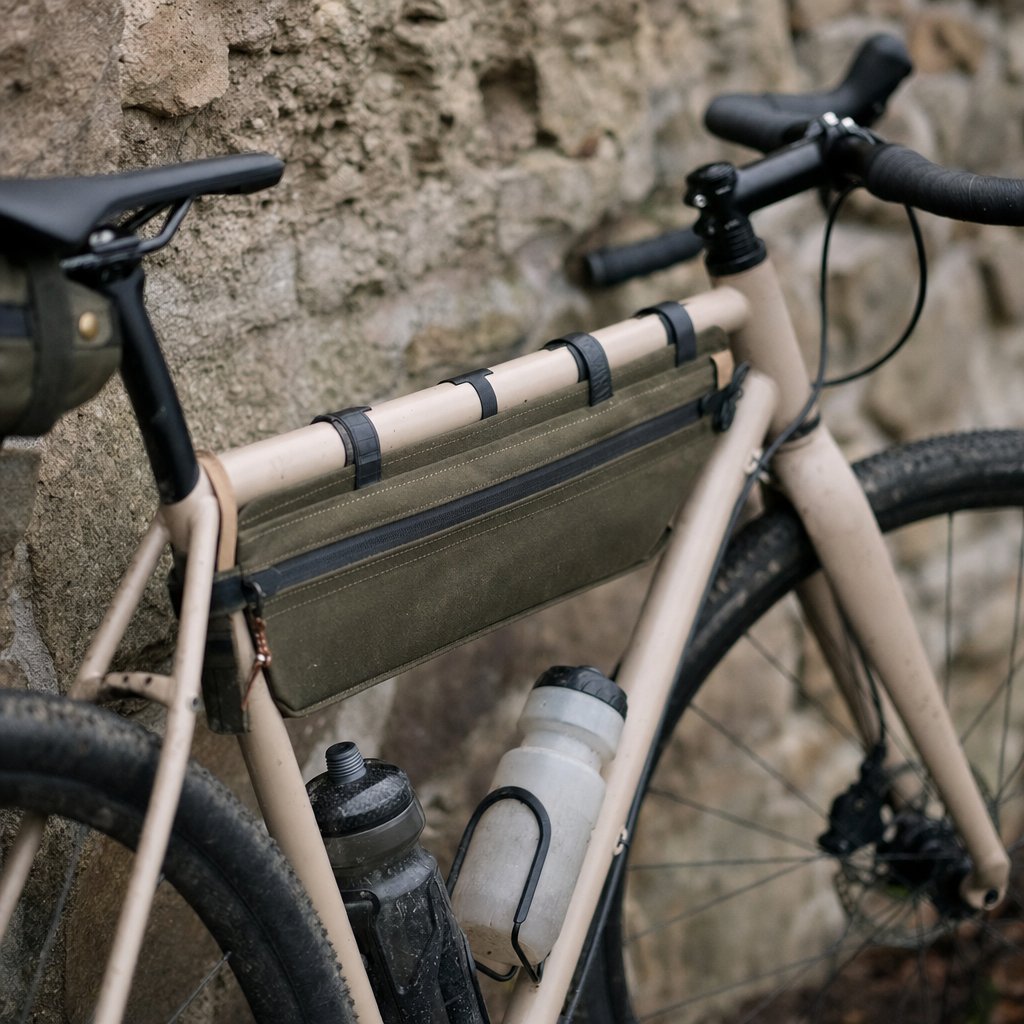
A frame bag's biggest variable isn't brand, it's fit — a half-frame bag on a full-frame-shaped triangle wastes space, and a full-frame bag that's slightly too big will sag and rub the top tube's paint raw over a long trip. Custom or made-to-measure options exist for exactly this reason; a generic size works fine until the fit is genuinely wrong for your frame.

Seat packs: the tradeoff is sway, not capacity
Almost every seat pack on the market can hold enough for a weekend. What actually separates them is how much they sway side-to-side when you're out of the saddle climbing — a stiffer mounting system costs a bit more and weighs a bit more, and it's worth it the first time a soft-mounted pack starts swinging on a technical climb.
Buy for how the bag behaves loaded and moving, not how it looks empty on a shop hook.
Handlebar rolls: waterproofing is the real spec
A handlebar roll spends more time exposed to weather than almost anything else on the bike, so genuine waterproofing — a roll-top closure and a properly seam-sealed fabric, not just a water-resistant coating — matters more here than on a frame bag tucked mostly out of the spray.
Where the boutique makers actually differ
Restrap, Rogue Panda and Road Runner Bags each built their reputation on slightly different priorities — durable, no-frills construction; obsessive made-to-measure frame fit; and distinctive styling with genuinely useful pocket layouts, respectively. None of them is simply "better" than the others; the right pick depends on whether fit, durability or day-to-day usability matters most for how you actually ride.
Top-tube and accessory bags: small but constantly used
The smallest bag in most setups gets opened the most often. A top-tube bag sitting right behind the stem or on top of the frame is where snacks, a phone, or a battery pack live — anything you want without stopping or reaching into a larger, more tightly packed bag. Cheap out here and the difference shows up fast: a poorly-sealed zipper lets in dust and rain on exactly the electronics you most want to keep dry, and a bag that isn't rigid enough will flop side to side and bump your knees with every pedal stroke.
Materials: what "waterproof" actually means on a bag label
Not every fabric marketed for bikepacking bags is equally water-resistant. Coated nylon or polyester is common and holds up fine in light rain, but a genuinely waterproof bag — the kind you want for a handlebar roll or anything carrying a sleeping bag — typically uses a laminated or dip-welded fabric with taped or welded seams rather than stitched-and-coated construction, since stitching perforates the fabric and creates a path for water no coating fully seals. Reading past the word "waterproof" to the actual construction method is worth the extra minute before buying, especially for the bag most exposed to weather.
Working through how to choose bikepacking bags this way — fit first, waterproofing second, price last — makes the actual choosing far easier than following any single brand's marketing, and it's the same guide-first approach worth applying to the frame bag and seat pack picks above.
A couple of things people ask
Do I need all three bag types to start?
No — a seat pack alone covers most one or two-night trips. Add a frame bag once you're carrying tools or water beyond a bottle cage, and a handlebar roll once you need to carry a sleeping bag or tent.
Are cheaper generic bags worth considering?
For occasional, easy-terrain trips, yes — the fit and sway issues that separate boutique makers from generic options mostly show up on longer or rougher rides, not a smooth weekend gravel loop.
What's the most common mistake people make with a new bikepacking bag setup?
Overpacking the frame bag with dense, heavy items pushed too far forward or back rather than centered low — see our bike setup guide for how to distribute weight so the bike still handles the way it's designed to.
Do bikepacking bags fit any bike, or do I need specific frame geometry?
Seat packs and handlebar rolls fit most bikes reasonably well, but frame bags are shaped to a specific front-triangle geometry — a bag sized for one frame can leave awkward gaps or fail to fit another, which is exactly why made-to-measure options exist for riders with less common frame shapes.