Restrap didn't start as a bikepacking brand. It started in 2010 as one rider, Nathan Hughes, making pedal straps for fixed-gear bikes out of recycled car seatbelts in a back room in Leeds — before "bikepacking bag" was a category most riders had heard of.
From back-room to a real workshop
As interest in Hughes' straps grew, he brought together a small group of cycling-obsessed designers and makers and found a proper workshop space in Leeds. From straps, the product line moved into backpacks and other on-body gear, and only later into the bikepacking bags the brand is now best known for — a genuinely organic progression, not a category the company set out to enter on day one.
A Yorkshire manufacturing philosophy
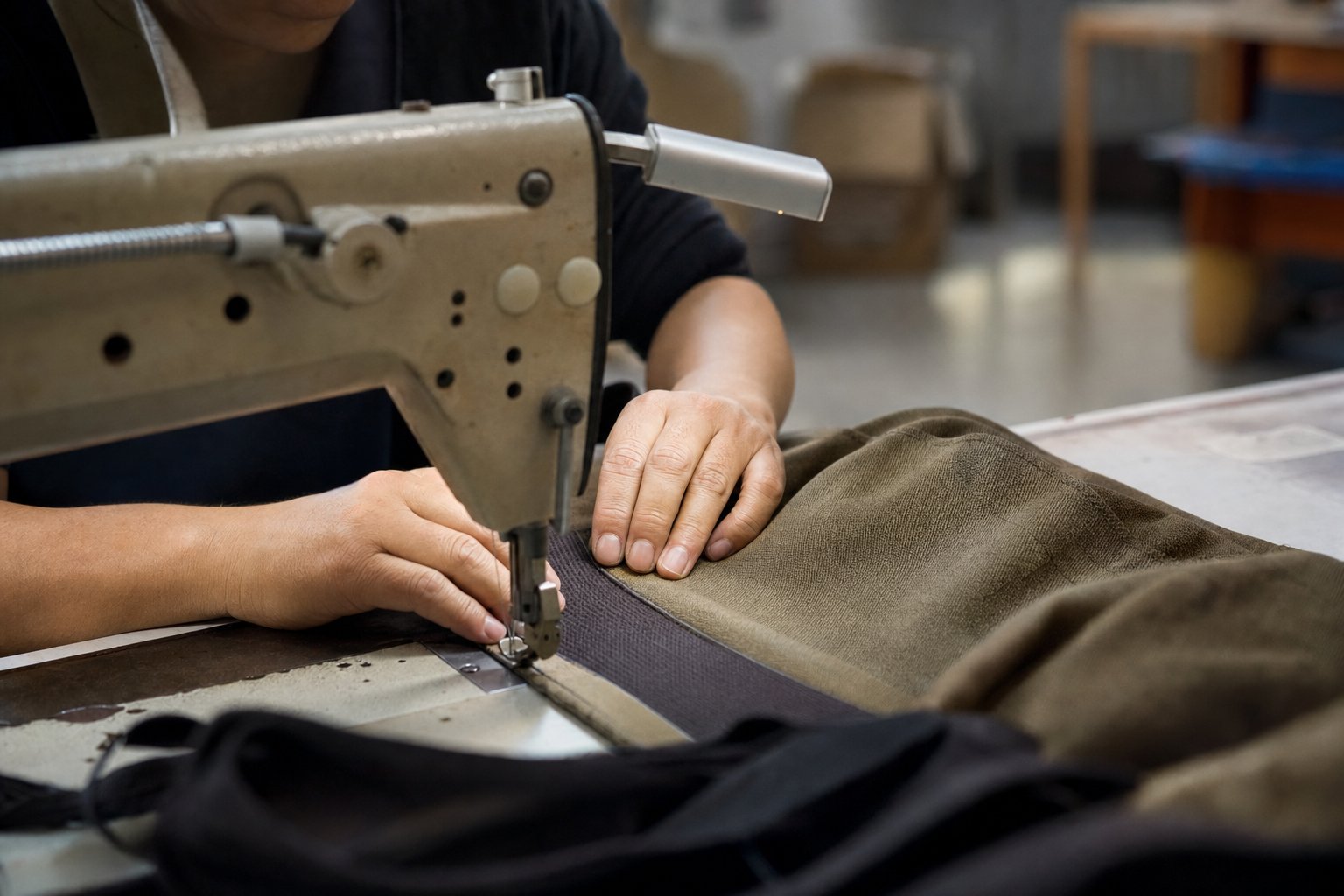
Restrap makes almost everything in-house — cutting fabric, sewing, assembly — rather than outsourcing production, guided by what's become something of an unofficial company motto: being "tight Yorkshiremen," they'll make it rather than buy it. That in-house approach has grown the Leeds operation into a workshop supporting more than 40 jobs.
That same setup extends into how the company handles problems after a sale. A broken strap or a failed stitch line can go back to the people who actually cut and sewed it, rather than through a multi-step returns process routed to a factory on another continent. It's a smaller-scale model than most outdoor gear brands run at, trading some economies of scale for exactly that kind of direct accountability when something does go wrong.
UK manufacturing in a mostly overseas industry
Restrap's insistence on cutting and sewing in Leeds puts it outside the norm for outdoor gear generally, most of which is manufactured overseas at a much larger scale to hit a lower price point. That trade-off shows up directly in cost — in-house UK manufacturing isn't the cheapest way to make a bikepacking bag — but it's also the reason the company can adjust a pattern or a stitch detail based on direct rider feedback without waiting on a factory contract renegotiation on the other side of the world.

Illustrative materials shot, not Restrap's own Leeds workshop — a real photo of their facility is theirs to publish, not ours.
A brand's story matters here for a reason: bags built by people who make everything themselves tend to get fixed, not just sold — and that's the part that actually shows up on a loaded, moving bike.
Why this matters more than the logo
The reason a maker's actual manufacturing philosophy is worth knowing before buying isn't brand loyalty for its own sake — it's that a company that cuts and sews its own products in-house is set up to iterate on real fit and durability problems directly, rather than through a distant contract manufacturer. Whether or not Restrap specifically is the right choice for a given setup, that in-house, rider-founded pattern is worth recognizing across the boutique bag market generally — see our guide to choosing a bikepacking bag setup for how to weigh it against the other makers in the space.
A couple of things people ask
Does Restrap only make bikepacking bags now?
No — the product range still includes the on-body and everyday-carry gear the brand expanded into before bikepacking bags, reflecting its actual growth path rather than a single-category focus from the start.
Is "made in-house" the same as "made in the UK"?
For Restrap specifically, yes — the Leeds workshop is where the actual cutting and sewing happens, not just a design studio outsourcing production elsewhere.
Are Restrap bags more expensive than mass-produced alternatives?
Generally yes — in-house UK manufacturing carries a higher cost base than large-scale overseas production, and that difference is typically reflected in the price rather than absorbed by the company.
Does buying from a smaller in-house maker mean a slower fix if something breaks?
Not necessarily. A company that makes its own products can often diagnose and repair a specific fault faster than a large brand routing the same claim through a distant factory or a generic returns center.